• About DTM
    • Welcome
      • Director’s Message
      • Endorsement
      • Global Networking
      • History
    • DTM at a glance
      • Facts & Figures
      • Vision & Mission
    • SNU at a glance
      • Life at SNU
      • Living in Seoul
      • Why SNU
    • People
      • Faculty
      • Current Students
      • Invited Speakers
      • DTM Team
    • Contact Info
  • Academics
    • Curriculum
      • Coursework & Thesis
    • Extracurricular
      • Special Lectrures
      • Field Trips
      • Cultural Experiences
    • Annual Schedule
  • Admissions
    • International Students
      • Admission Eligibility
      • Preferred Qualifications
      • Application Procedure
      • Application-&-RequiredDocuments
    • Korean Students
      • Admission Eligibility
      • Preferred Qualifications
      • Admissions Application
      • Application & RequiredDocuments
    • Tuition/Financial Aid
    • FAQ
  • News & Events
    • DTM Today
    • Newsletter
  • Dream Together Seoul Forum
    • Information and Schedule
    • Videos
    • Past Forums
  • Alumni
    • Alumni Profile
    • Alumni Network
      • Alumni Notice
      • DTM Spotlight
  • About DTM
    • Welcome
      • Director’s Message
      • Endorsement
      • Global Networking
      • History
    • DTM at a glance
      • Facts & Figures
      • Vision & Mission
    • SNU at a glance
      • Life at SNU
      • Living in Seoul
      • Why SNU
    • People
      • Faculty
      • Current Students
      • Invited Speakers
      • DTM Team
    • Contact Info
  • Academics
    • Curriculum
      • Coursework & Thesis
    • Extracurricular
      • Special Lectrures
      • Field Trips
      • Cultural Experiences
    • Annual Schedule
  • Admissions
    • International Students
      • Admission Eligibility
      • Preferred Qualifications
      • Application Procedure
      • Application-&-RequiredDocuments
    • Korean Students
      • Admission Eligibility
      • Preferred Qualifications
      • Admissions Application
      • Application & RequiredDocuments
    • Tuition/Financial Aid
    • FAQ
  • News & Events
    • DTM Today
    • Newsletter
  • Dream Together Seoul Forum
    • Information and Schedule
    • Videos
    • Past Forums
  • Alumni
    • Alumni Profile
    • Alumni Network
      • Alumni Notice
      • DTM Spotlight

From Dream to Action: Strengthening the DTM Alumni Network through DTM Nusantara


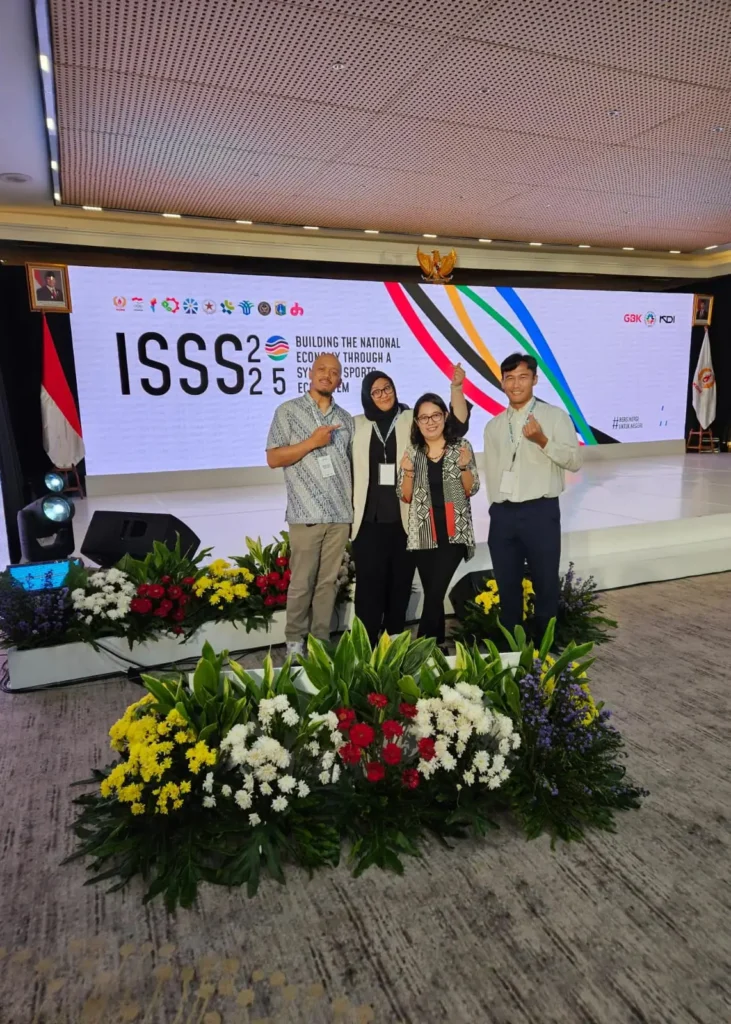
DTM Nusantara is a collaborative network established and led by Indonesian alumni of the Dream Together Master (DTM) program. The name Nusantara — an ancient Sanskrit term meaning “the islands in between” — reflects the spirit of unity in diversity that defines Indonesia, and the inclusive, collaborative values this network is built upon. It was born out of a shared commitment to extend DTM’s core values at the regional level and build a concrete foundation for meaningful cooperation. As the first country-based network to be organized within the DTM program, DTM Nusantara goes beyond a conventional alumni gathering — it serves as a platform dedicated to advancing Indonesian sport and fostering international collaboration.

Why DTM Nusantara?

The launch of DTM Nusantara reflects the steady growth and cumulative achievements of the Indonesian DTM community. With 13 Indonesian alumni already graduated and 5 current students approaching completion, the need for a sustainable cooperative structure within Indonesia has become increasingly clear. A systematic platform was called for — one that could maintain stable connections between alumni and current students, while translating the expertise and experiences gained through DTM into tangible contributions to Indonesian sport development. DTM Nusantara was founded precisely in response to this need and the shared vision behind it.

In His Own Words: Billy Castyana on DTM Nusantara

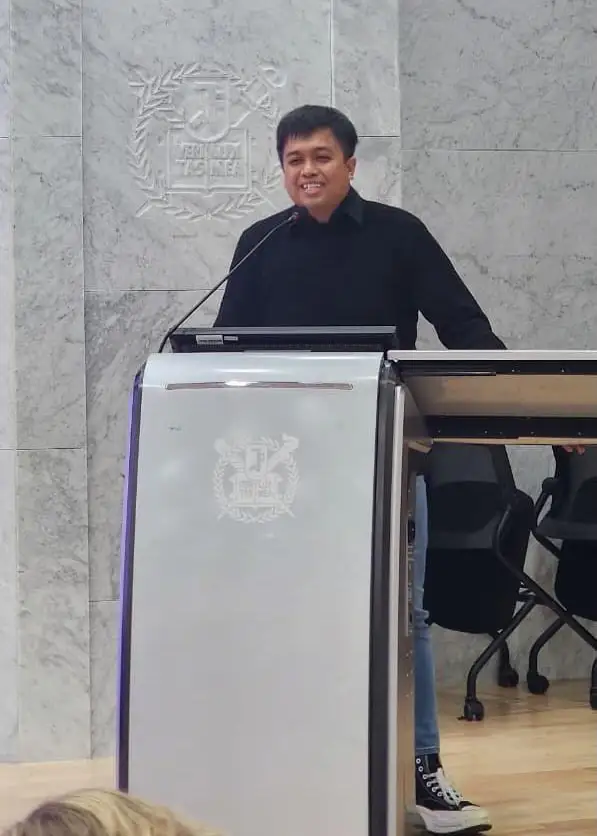
Billy Castyana, an Indonesian national and graduate of the 1st batch, shared his perspective on DTM Nusantara in a recent interview. As a member of the network, he described its core vision as becoming a collaborative and inspiring network that strengthens Indonesian sport leadership. To realize this vision, he highlighted key directions including knowledge sharing, mentoring, creating professional opportunities, and pursuing joint projects — all aimed at supporting both alumni and future students while reinforcing national sport development and global engagement.
He also reflected on the strong sense of enthusiasm and shared purpose that emerged among faculty, guests, and students throughout the launch process. Witnessing a single idea of collaboration quickly grow into a meaningful collective commitment, he said, reaffirmed his belief in the potential and cohesion that DTM Nusantara embodies.
In closing, Billy emphasized the importance of viewing alumni engagement not as a one-time connection, but as a long-term journey. Regional networks like DTM Nusantara, he noted, serve as a vital foundation for transforming individual experiences into collective impact — strengthening DTM’s legacy and ensuring that shared values continue to resonate across borders and generations.
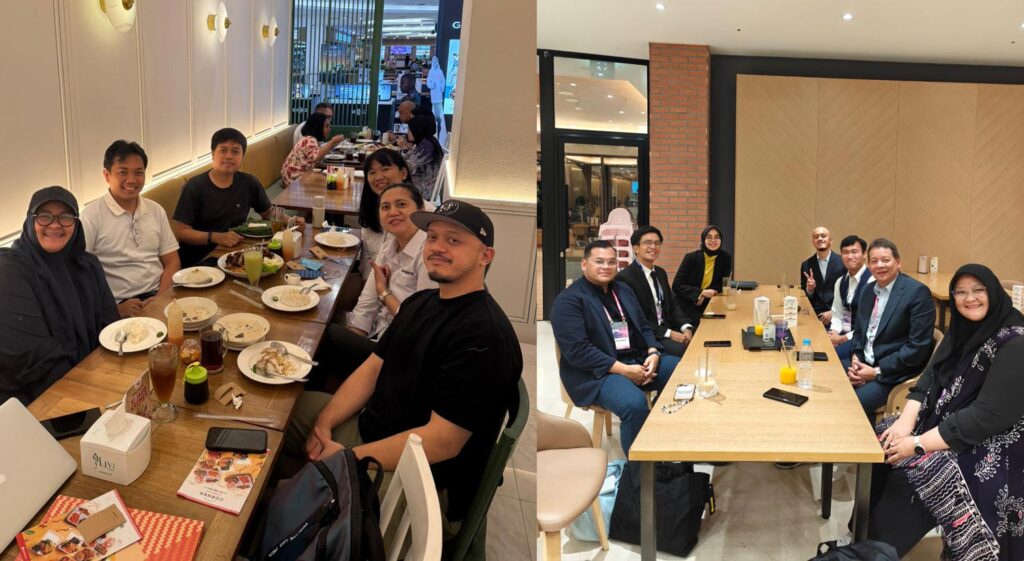

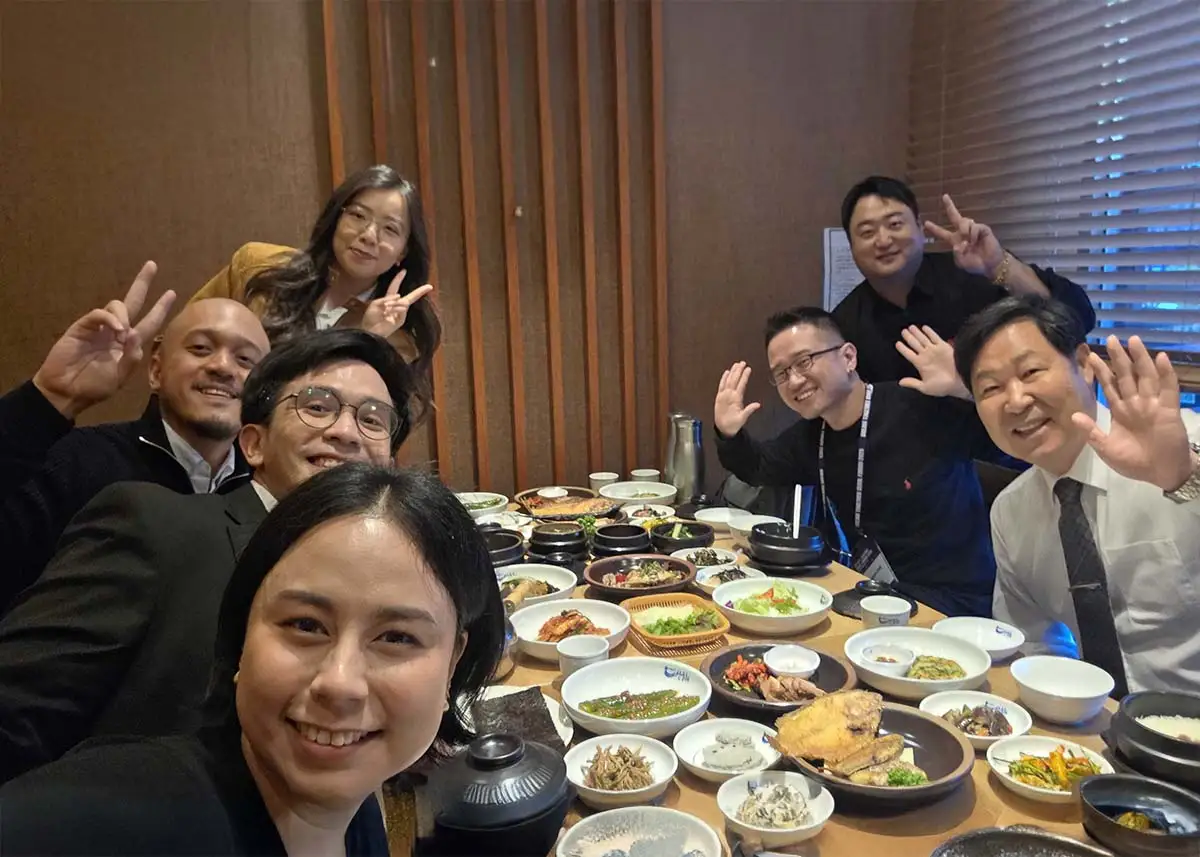
DTM Nusantara marks a meaningful starting point for developing regional cooperation into a more sustainable and substantive form, grounded in the accumulated experiences and connections of the Indonesian DTM community. Beyond its significance as the program’s first country-based network, it gives concrete shape at the regional level to the values DTM has long championed — international solidarity and sport as a vehicle for social contribution. Furthermore, it stands as a testament to the potential of the DTM program to grow beyond an academic experience into a global community that continues to live out shared values and commitments long after graduation. In this sense, DTM Nusantara represents an important example of how DTM’s values translate into real-world collaboration and action — bridging regions and connecting the world.

By DTM Office & Billy Castyana (1st Batch)
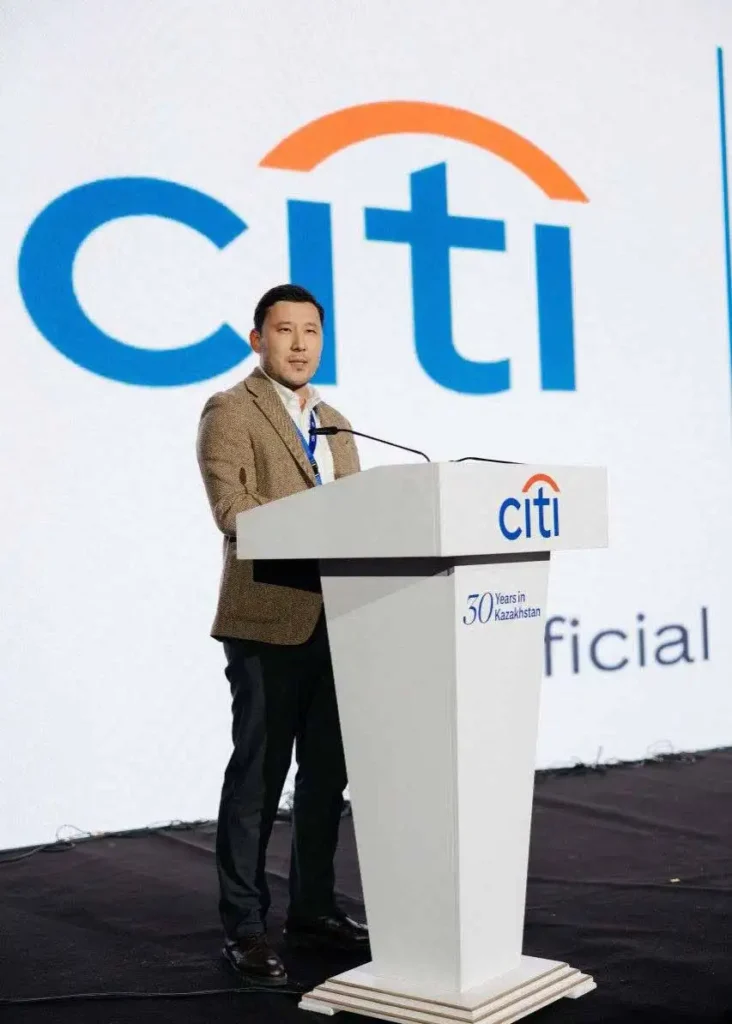
Alumni Success Story: Batyr’s Journey in Para Sports


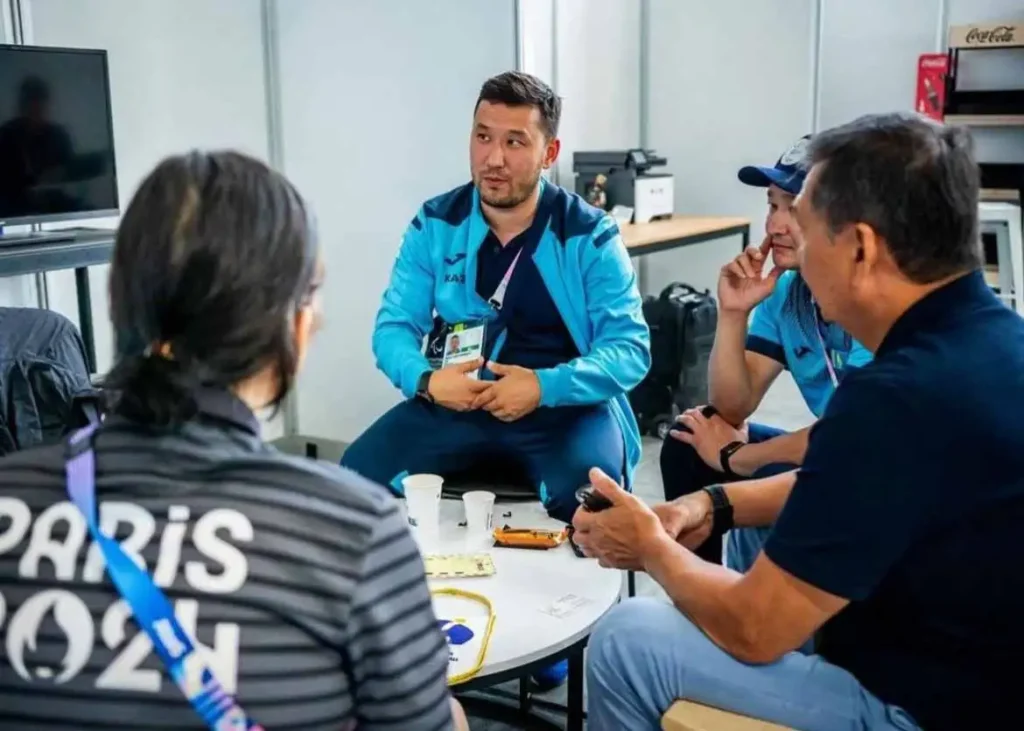
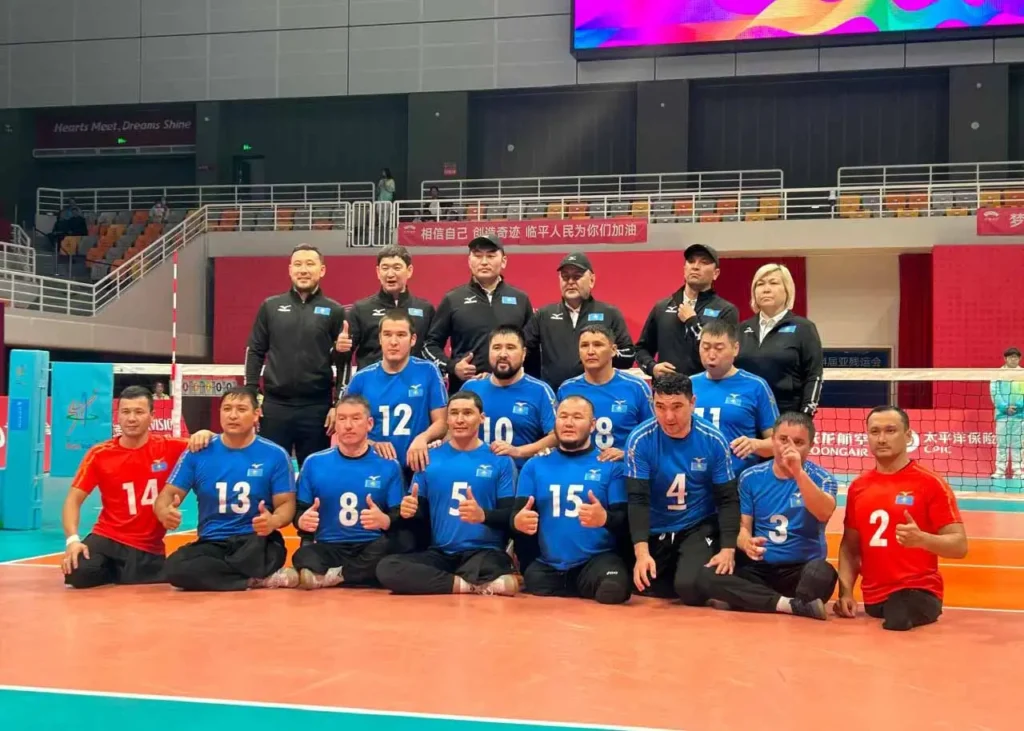
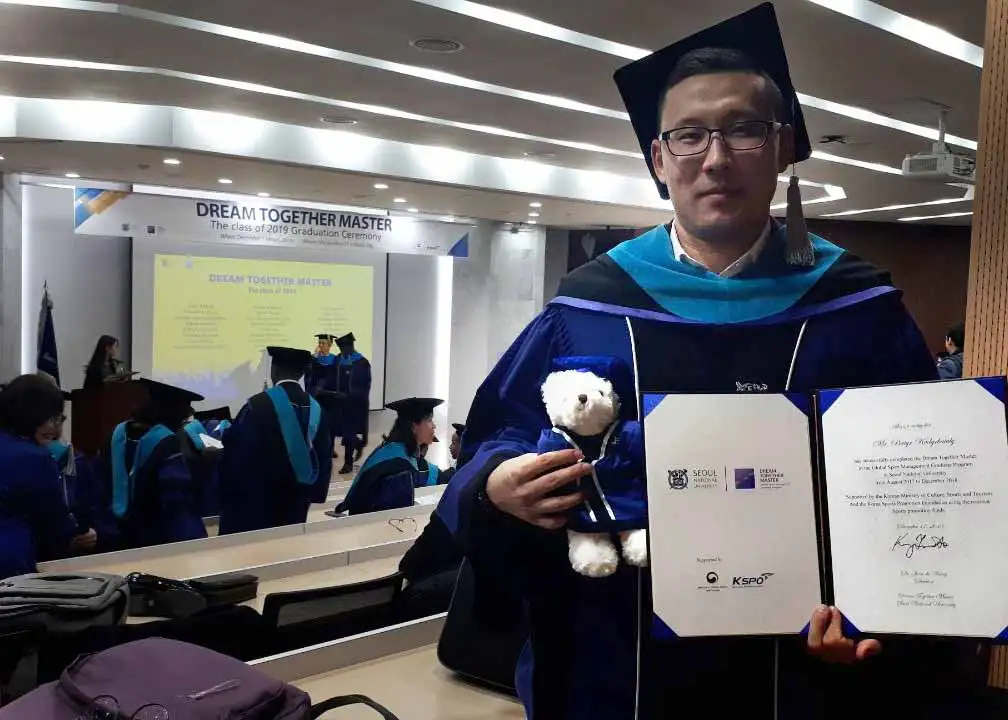
Batyr Kadyrbaiuly, a graduate of the 5th batch of the Dream Together Master (DTM) Program from Kazakhstan, is now serving as the Sport Director of World ParaVolley, playing a key role in advancing adaptive volleyball on the global stage. From overseeing international competitions to contributing to the Paralympic Games Sitting Volleyball events, his leadership continues to shape the future of para-sport worldwide.

For Batyr, the DTM Program was more than an academic experience—it was a defining turning point. Through comprehensive training in sports management, marketing, event organization, and governance, he developed not only theoretical knowledge but also the strategic thinking and problem-solving skills required in real-world settings. Equally important was the opportunity to collaborate with peers from around the world, which broadened his global perspective and laid the foundation for his future career.


Following his graduation, Batyr quickly emerged as a key figure in Kazakhstan’s para-sport sector. As Secretary General of the Kazakhstan Para Volleyball Federation, he led organizational development efforts while also working closely with the National Paralympic Committee and the Ministry of Tourism and Sports. These experiences became a stepping stone toward his current position on the international stage.

One of his most notable achievements has been transforming the financial sustainability of the federation. When he first joined in 2019, the organization lacked a stable funding structure. Through strategic planning and persistent efforts, Batyr and his team secured multiple sponsorship agreements, and by 2025, established a model that allowed the federation to operate independently without direct government funding. In parallel, they successfully hosted major international competitions and created pathways for athletes with disabilities to pursue professional careers, support their families, and actively participate in society.


Batyr emphasizes that the lessons learned at DTM continue to guide his work today. The knowledge gained from coursework and professors—combined with hands-on learning and international collaboration—has become an essential part of his daily decision-making and long-term vision. The global network he built during the program also remains a valuable asset in driving international projects and partnerships.

He describes DTM not simply as a master’s program, but as a launchpad for future global leaders in sport. Encouraging current and prospective students, he highlights the importance of fully embracing the experience—both academically and personally—and making the most of the unique opportunity to connect, learn, and grow in a truly international environment.


Batyr’s journey is a powerful example of how education, when combined with purpose and determination, can lead to meaningful impact on a global scale. And at the heart of that journey lies a single decision—to step forward and seize an opportunity.

By DTM Office & Batyr Kadyrbaiuly(5th Batch)


The Road Back to Seoul: A Journey from Student to Mentor


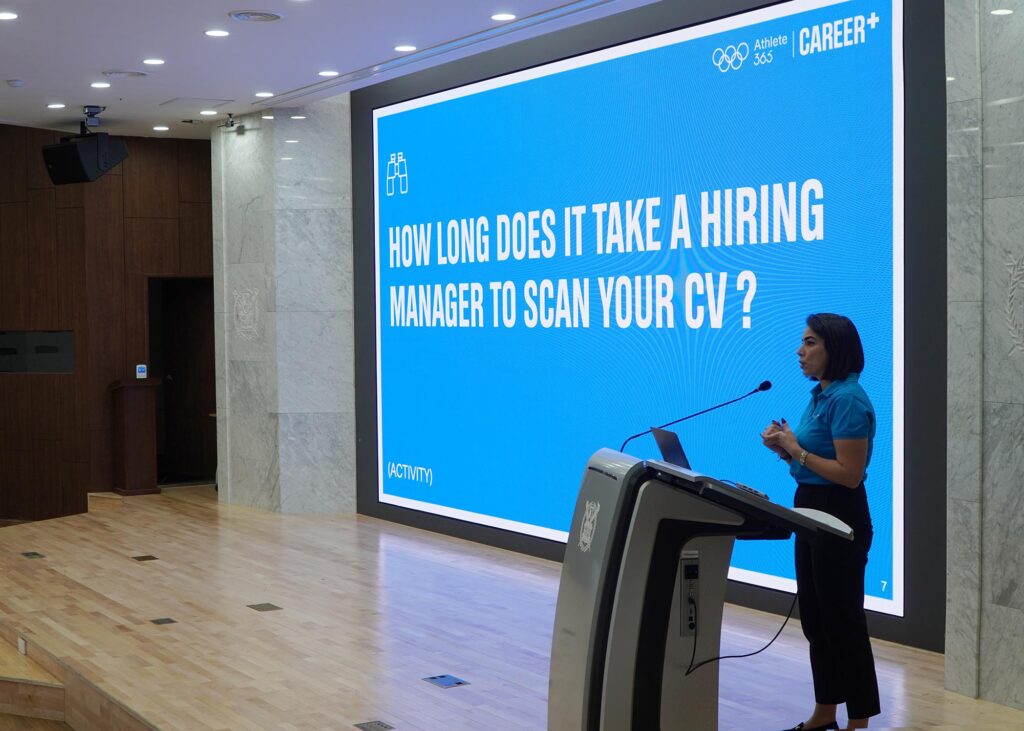
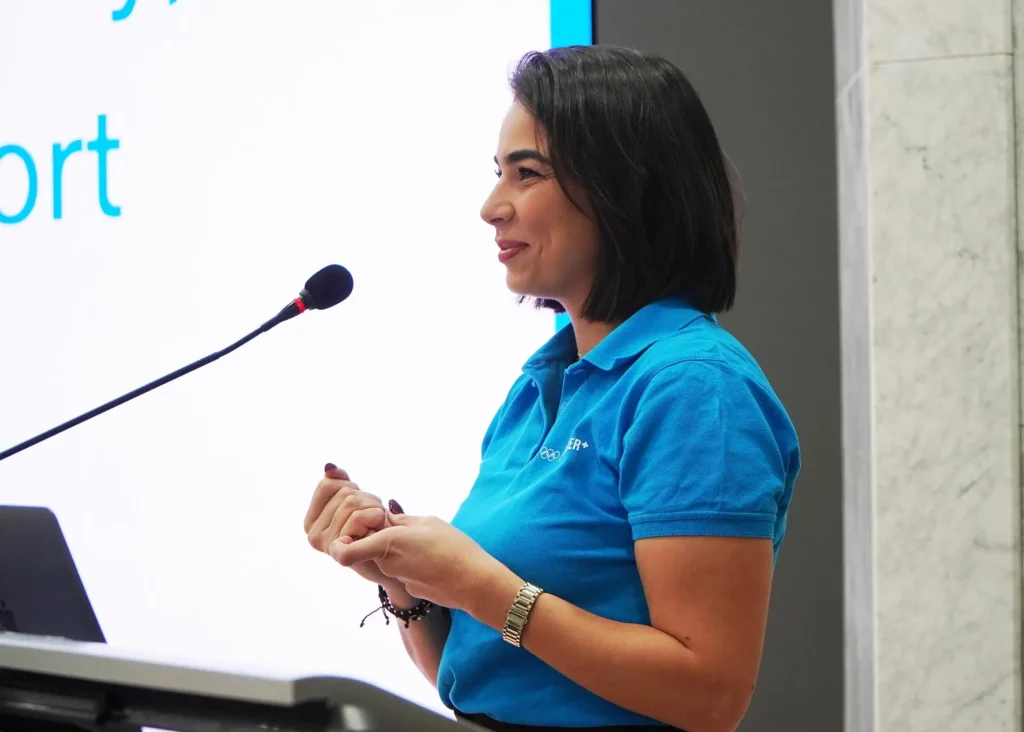
Maria Barakat, a former DTM student and DTM ambassador, currently working as Athlete365 Career+ Educator in Jordan, have visited Seoul National University to share her experiences and inspire the students of DTM.  


At Seoul National University, DTM continues to connect a global network of leaders in sport. One of our alumni, Maria Barakat, returned to campus — this time not as a student, but as a mentor and ambassador sharing her professional journey with the next generation.

Based in Amman, Maria has built a career in sport development, education, and international cooperation. Her work focuses on helping athletes translate the skills they develop through sport—discipline, leadership, and resilience—into meaningful professional opportunities. As an educator for Athlete365, an initiative of the International Olympic Committee, she works closely with athletes navigating career transitions beyond competition.

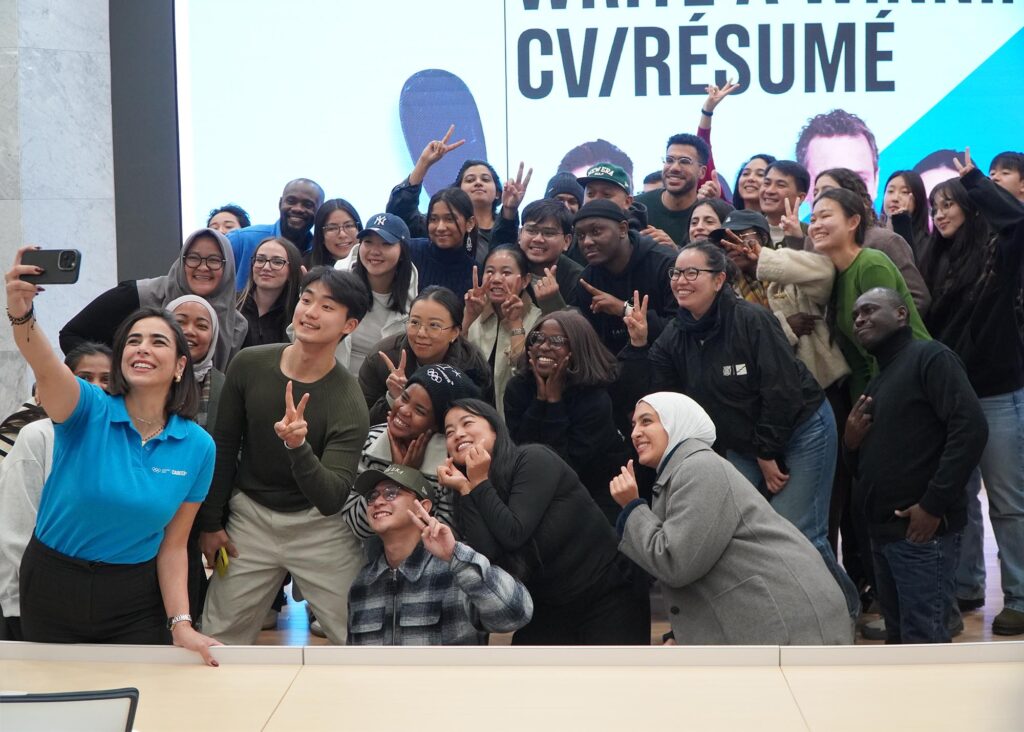
Returning to DTM as an Ambassador was both meaningful and personal for Maria. Leading an Athlete365 Career+ CV and résumé workshop, she guided students on how to present their experiences clearly and confidently, helping them transform their sporting and academic journeys into compelling professional narratives. With many DTM students coming from athletic backgrounds, the workshop focused on practical skills such as structuring CVs, crafting motivation letters, and identifying transferable strengths gained through sport.

The session brought together more than 40 students from over 20 countries, creating an engaging and interactive environment. Beyond the technical aspects of career preparation, the discussion expanded to include personal identity, career aspirations, and the challenges of navigating an increasingly global sports industry.

For Maria, standing once again in a DTM classroom was a full-circle moment. Having experienced the same international learning environment herself, she approached the workshop with both empathy and pride. As a DTM Ambassador, she sees her role not only as sharing professional knowledge but also as giving back to a program that helped shape her own path.

Her message to students was clear: embrace both your athletic and academic journeys as complementary strengths, stay proactive in building skills and global networks, and trust that self-awareness is often the starting point for meaningful opportunities. 

Through her visit, Maria demonstrated how DTM alumni continue to inspire the community—returning not only with experience, but with a commitment to guide those who follow.

By DTM Office & Maria Barakat(7th Batch)

From DTM to Global Impact: My Journey in Sport for Development


María Paula Mejía, a proud alumna of the Dream Together Master (DTM) 1st batch, from Colombia is currently working at the intersection of sport, human rights, and safeguarding in Latin America. As a consultant and researcher, she focuses on promoting child and youth well-being through sport, while supporting the development of safer and more inclusive sport systems across the region.

Before joining DTM, she worked in international cooperation and sport for development in Colombia, contributing to youth programs and institutional partnerships at the Colombian Ministry of Sport.

Following her graduation, María returned to Colombia to lead a nationwide initiative focused on peacebuilding through sport for children and youth. Since then, she has continued to expand her work across public, academic, and consulting sectors, deepening her expertise in sport governance, safeguarding, and rights-based approaches to sport.

  • Building Safter Sport System in Latin America
    One of her most significant initiatives is Safe Sport LATAM, a project developed through the DTM Contest. The project aims to establish a regional safeguarding hub for Latin America, starting in Mexico.Recognizing the lack of structured safeguarding systems and limited access to training in Spanish and Portuguese, the initiative seeks to adapt international safeguarding standards to local contexts. It also integrates sport psychology and family-based prevention approaches 


  • A Memorable Moment in Korea
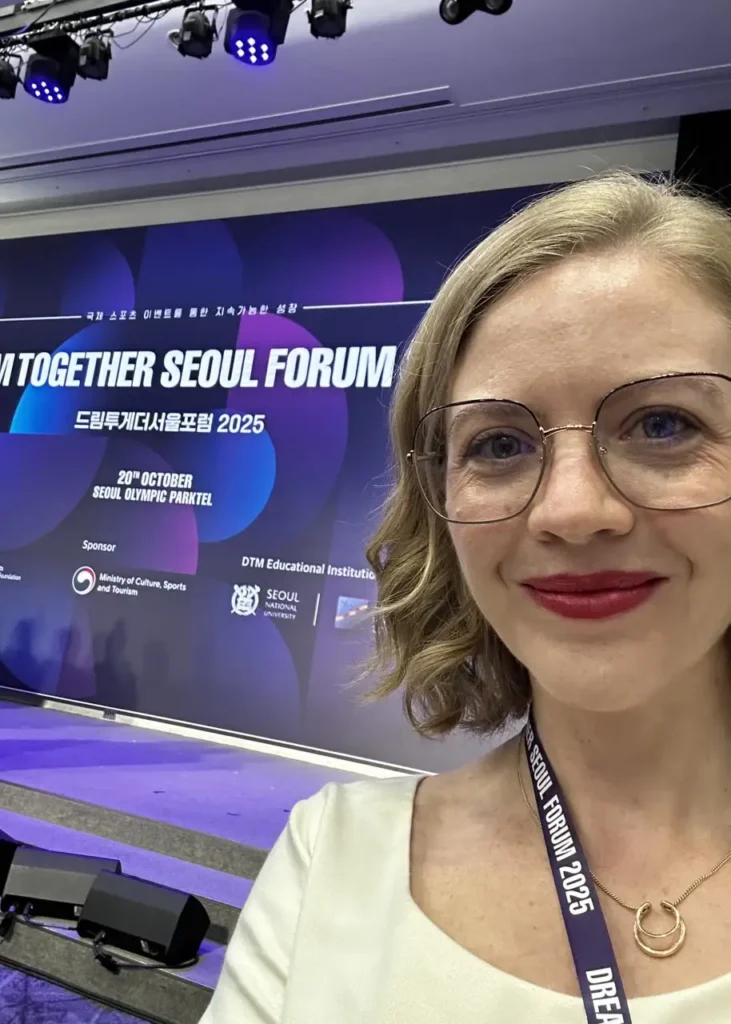
    Returning to Korea after nearly a decade was a deeply meaningful experience for María. Participating in the Dream Together Seoul Forum—where she had presented her thesis back in 2014—felt like a full-circle moment in her academic and professional journey.

    The roundtable discussions provided an opportunity to reconnect with students, alumni, and professors, while reaffirming the importance of global collaboration in sport. She was particularly impressed by how much the DTM program has grown over the years.

  • What She Missed About DTM
    Reflecting on her time in Korea, María shared that what she missed most was the strong sense of community and shared purpose within DTM.
    She recalled the experience of stepping away from her daily life to become a student again as a period filled with growth, curiosity, and meaningful connections. Beyond academics, she also missed the everyday life in Korea—from walking around the city and discovering new places to enjoying Korean food, cafés, and the seasonal beauty of spring and autumn.

  • Advice for Future DTM Students
    Looking ahead, María encourages current and future students to think beyond short-term outcomes and embrace the long-term value of the DTM experience. “DTM is not only about what you do immediately after graduation, but about planting seeds for the future. Stay curious, stay humble, and remain connected to the people you meet here—those relationships will become some of your most valuable assets.”

  • A Lasting Impact
    For María, DTM was more than an academic program. It was a turning point that shaped her perspective on leadership, responsibility, and the role of sport in society.

    Today, she continues to carry those values in her work, striving to ensure that sport becomes a space of dignity, safety, and opportunity for all. Winning the DTM Contest alongside her husband and fellow DTM alumnus was not just an achievement, but a continuation of a journey that began during their time at DTM.

By DTM Office & Maria Paula Mejia (1st Batch)


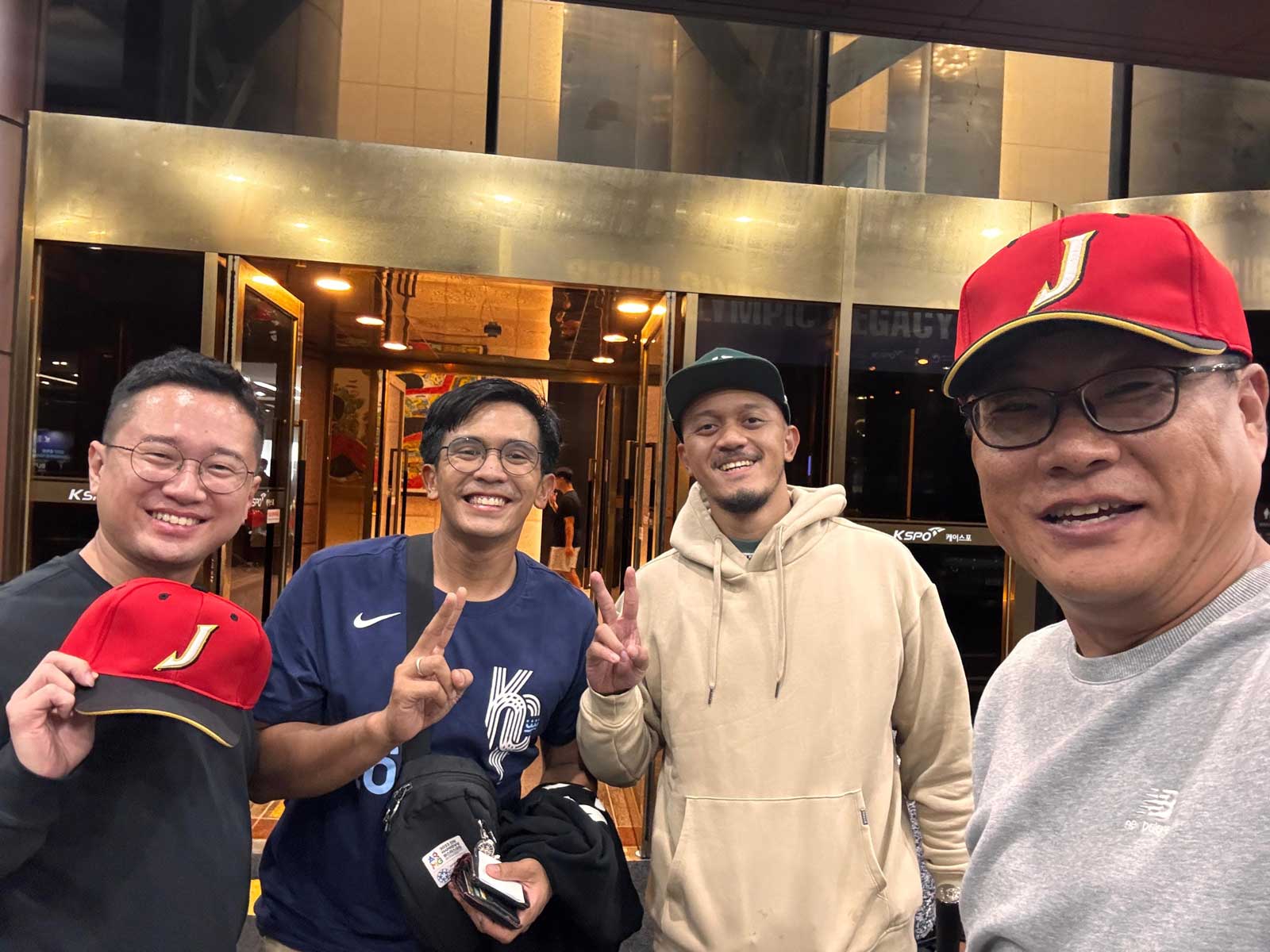
From SNU DTM to Indonesia’s First Youth Baseball Camp with Hulk Foundation:A Journey of Insight, Strategy, and Impact Ugrasena, SNU DTM 10th Batch


My name is Ugrasena, but you can call me Oso. I am from Indonesia and a proud member of the 10th batch of the SNU DTM program. Baseball has been a defining part of my journey; I have represented both Indonesia’s national team and the DKI Jakarta provincial team. Currently, I serve as a Market Intelligence Manager at BINAR, an education startup specializing in market research and strategic insights. In addition, I am the Project Lead of A New Inning: Hulk Indonesia Youth Baseball Camp in Jakarta, where I focus on developing grassroots programs to advance baseball in Indonesia.

Throughout my career, my vision has remained clear: to revive and elevate Indonesia’s baseball greatness. As a player, I was fortunate to represent my country in international tournaments, winning a Gold Medal at the 2009 East Asia Baseball Cup, a Silver Medal at the 2011 Southeast Asian Games, and another Silver Medal at the 2015 East Asia Baseball Cup. However, in recent years, our achievements have declined, emphasizing the urgent need for a stronger development system to ensure long-term success. This realization fueled my determination to take action and contribute beyond the field.


The SNU DTM program significantly shaped how I approach problems today. It trained me to think in a structured, analytical, and globally relevant way. The exposure to international classmates, industry discussions, and academic rigor strengthened my ability to communicate ideas clearly, validate assumptions with data, and connect theory with real-world application. These skills are directly applicable to my current work in consulting, strategy, and sport development.

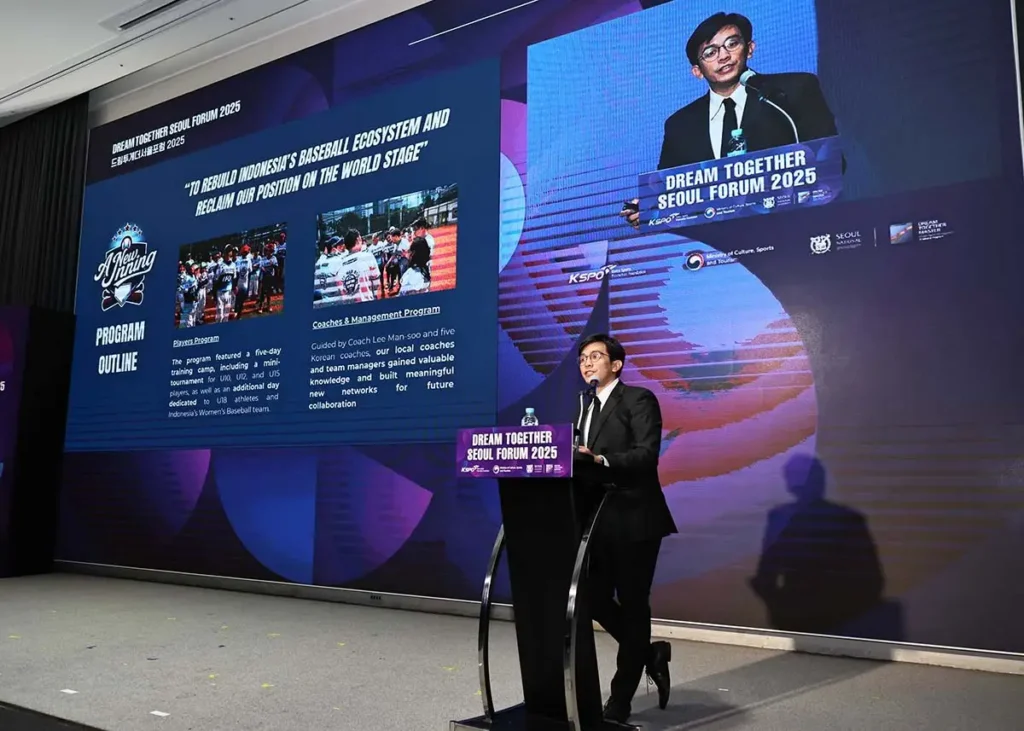
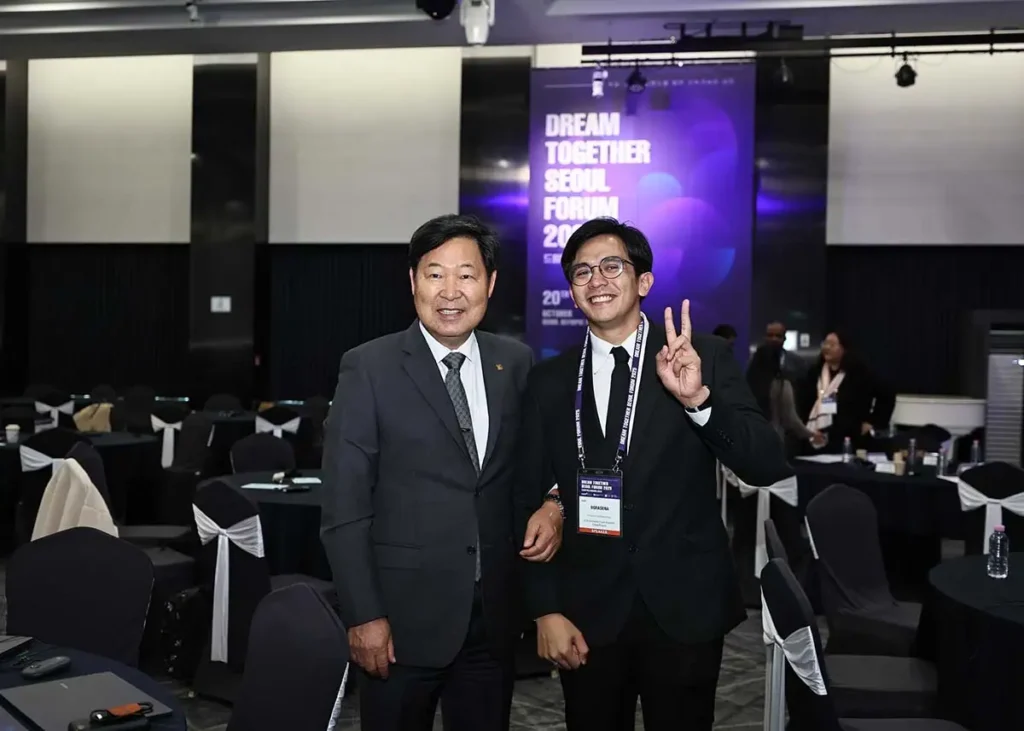
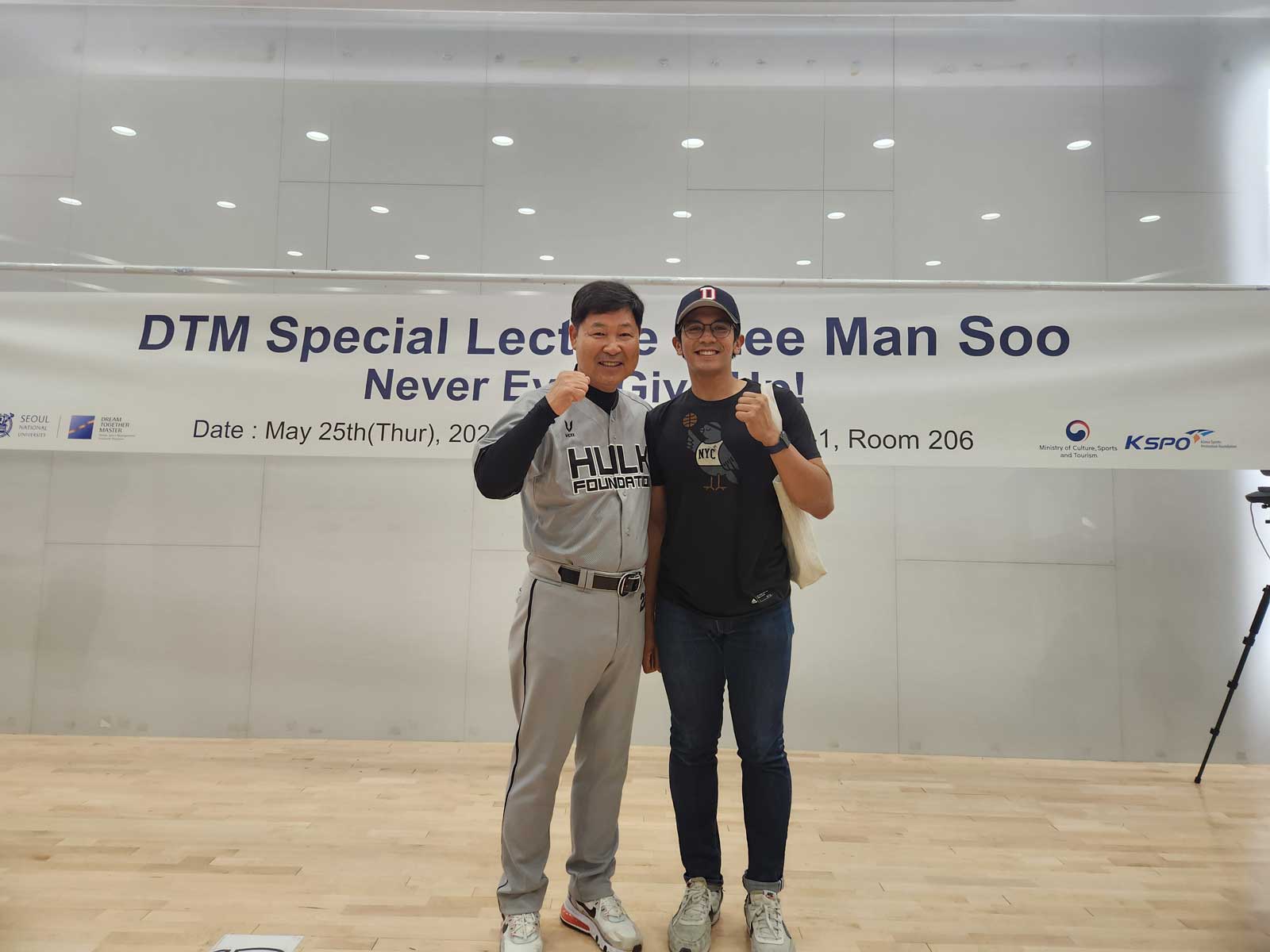
With this vision in mind, I participated in the 2025 DTM Alumni Contest and was honored to receive the Best Practice Award. The project was built upon a proposal I first developed in 2024, focusing on a strategic collaboration between Indonesian baseball and South Korea’s renowned Hulk Foundation, led by baseball legend Mr. Lee Man-soo. Through this initiative, we launched Indonesia’s first youth-centered baseball development program in collaboration with Korean counterparts in Jakarta. Targeting U10, U12, and U15 athletes, the program reached 85 youth players and engaged 10 local coaches through a one-week, world-class training program. It also sparked future collaborations between Indonesian and Korean baseball communities, including a potential partnership with Goyang City Baseball.

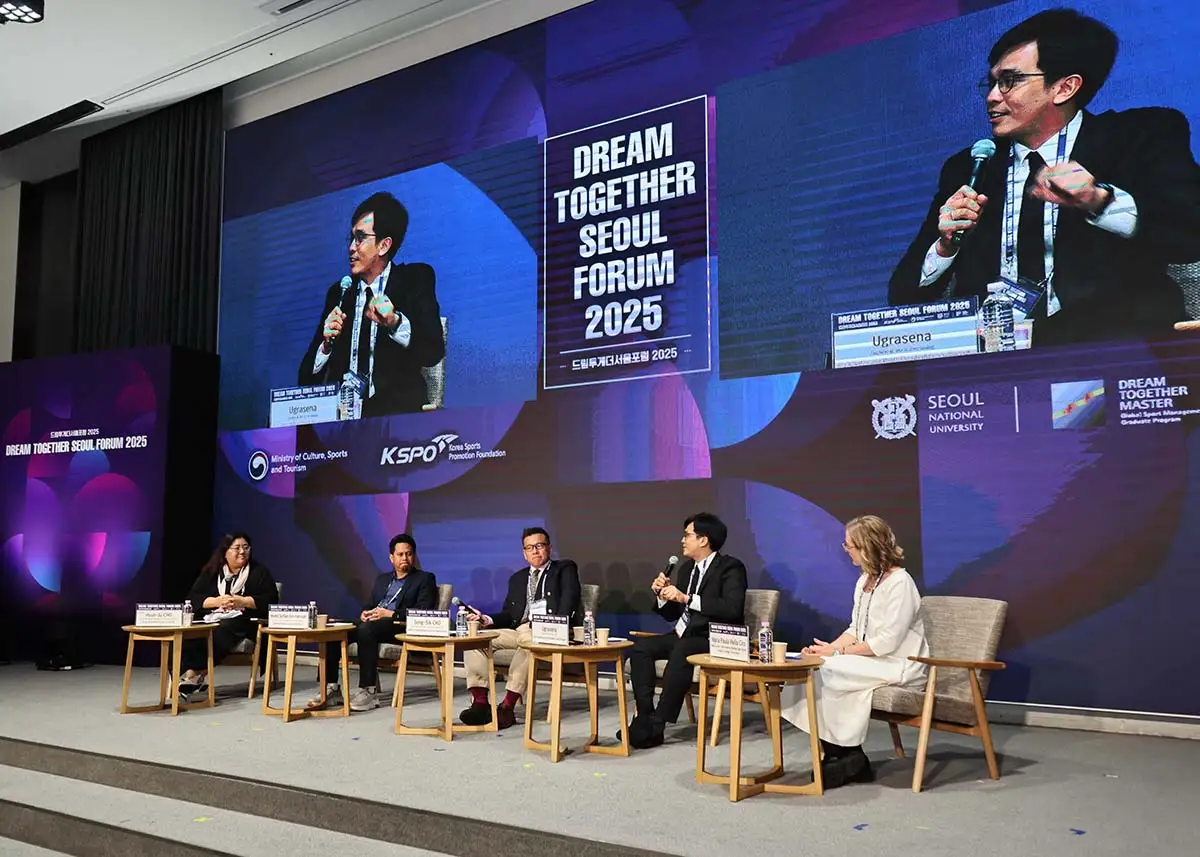
Returning to Korea and the DTM program felt like coming home, to a place that shaped how I think and who I am today. The roundtable and forum went far beyond academic discussions, becoming spaces for reflection, debate, and renewed inspiration alongside professors, practitioners, and fellow alumni. SNU DTM’s intellectual culture is something I deeply value and miss: open dialogue, collaborative learning, and the courage to challenge ideas. Beyond the classroom, I miss everyday life in Korea, the rhythm of campus routines, the baseball games I often watched, shared laughter with friends, and the quiet yet powerful sense of belonging to a global community united by learning and growth.

To current and future students, SNU DTM is more than a program; it is a platform to shape how you lead. Be curious beyond the syllabus, build meaningful relationships with peers and professors, and use DTM as a space to test ideas, not merely a place to earn a degree. Think globally, but always ask how your knowledge can create impact at home. Looking back, DTM was a defining turning point in my journey. It gave me the confidence to lead across industries, collaborate internationally, and pursue purpose-driven work. More importantly, it instilled a mindset of critical thinking, continuous learning, and responsibility, principles that continue to guide my leadership today.

By Ugrasena (10th Batch)


Handling the Challenges as a Games Village Manager at the 13th African Games – ACCRA, 2023


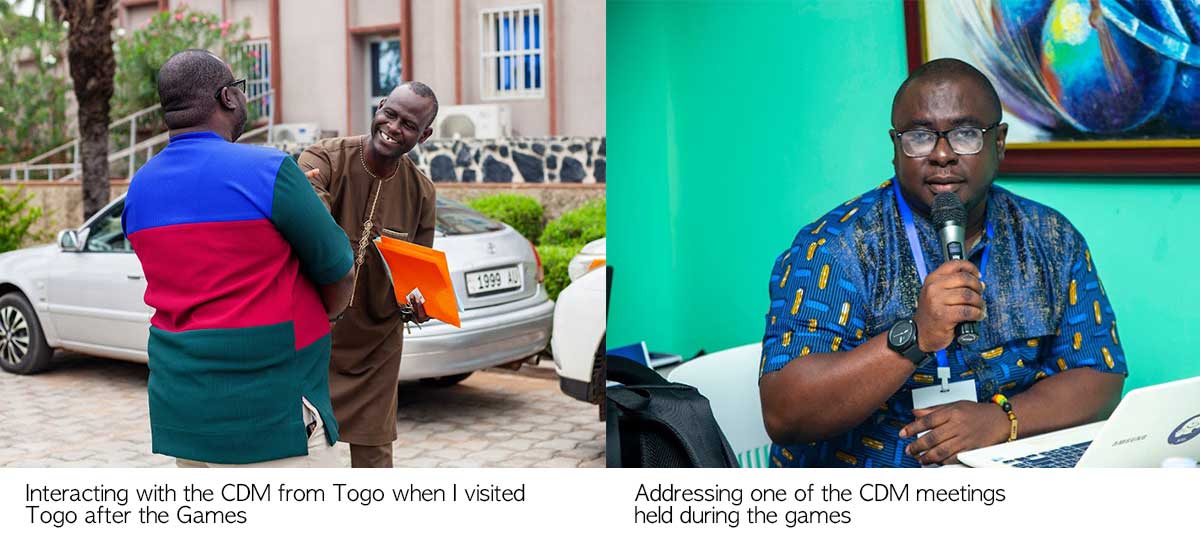
Having lunch with another DTM Alumni from the 8th Batch Benson Chacha (Tanzania)


I am Kenneth Odeng Adade from Ghana and a Dream Together Masters (DTM) Alumni from the 7th Batch.


Prior to joining DTM, I worked as a Deputy Sports Editor at The Finder newspaper, a Press Officer for the National Olympic Committee of Ghana, and Deputy Secretary-General of the Ghana Weightlifting Federation.


After completing DTM, I returned to Ghana to work as an Editor for the Ghana News Agency, was appointed Head of Media Relations for the Armwrestling Federation of Africa, and continued my work with the Ghana Weightlifting Federation while also serving as an aide to the President of the Ghana Olympic Committee.


The Dream Together Masters program was a transformative experience that enhanced my understanding of large-scale sport event management. Its comprehensive curriculum, interactive learning approach, and networking opportunities equipped me with the skills and confidence to succeed in the industry.


In March 2024, Ghana hosted its first-ever African Games, and I was proud to be appointed to the Games Family Service and Village Accommodation Committee of the Local Organising Committee. Prof. Lisa Hindson’s module on Preparing and Operating Sport Events was invaluable, particularly in planning, collaboration, risk management, and leadership.


As a member of the Games Village Accommodation Committee, I was appointed as a manager by Chairman Ben Nunoo Mensah. My role involved overseeing daily operations, ensuring facilities and services were functional, managing athlete and official accommodations, and ensuring their safety. I also held Chef de Missions (CDMs) meetings each morning to address participating countries’ concerns.


Challenges included cultural and language barriers, infrastructure issues, logistics, and security concerns. A major challenge was handling the arrival of the Democratic Republic of Congo’s team at 3 a.m. They refused to move into their assigned rooms, requiring mediation and intervention from the African Union Sport Council. My risk management training from DTM helped me navigate such situations while fostering cultural competence.


Managing the Games Village was a transformative experience that contributed significantly to my professional growth. The positive feedback from athletes and officials was highly rewarding, especially given that my DTM thesis focused on Athlete Satisfaction in International Competitions.


This experience has shaped my approach to future sport event management. In August 2025, the Ghana Weightlifting Federation will host the Africa Youth and Juniors Weightlifting Championships, where I will play a key role in the Local Organising Committee. To ensure success, I aim to refine my risk management skills, improve communication, enhance cultural experiences, and emphasize teamwork and collaboration.


By Kenneth Odeng Adade(7th Batch)

Developing the football program in the central region of Palestine


  1. Please introduce yourself briefly.
    Taymaa Qatamesh, the 10th batch Palestinian student, a former national team footballer, and currently a coach and technical director.


  1. What did you do before DTM, and what did you pursue after the DTM Program?
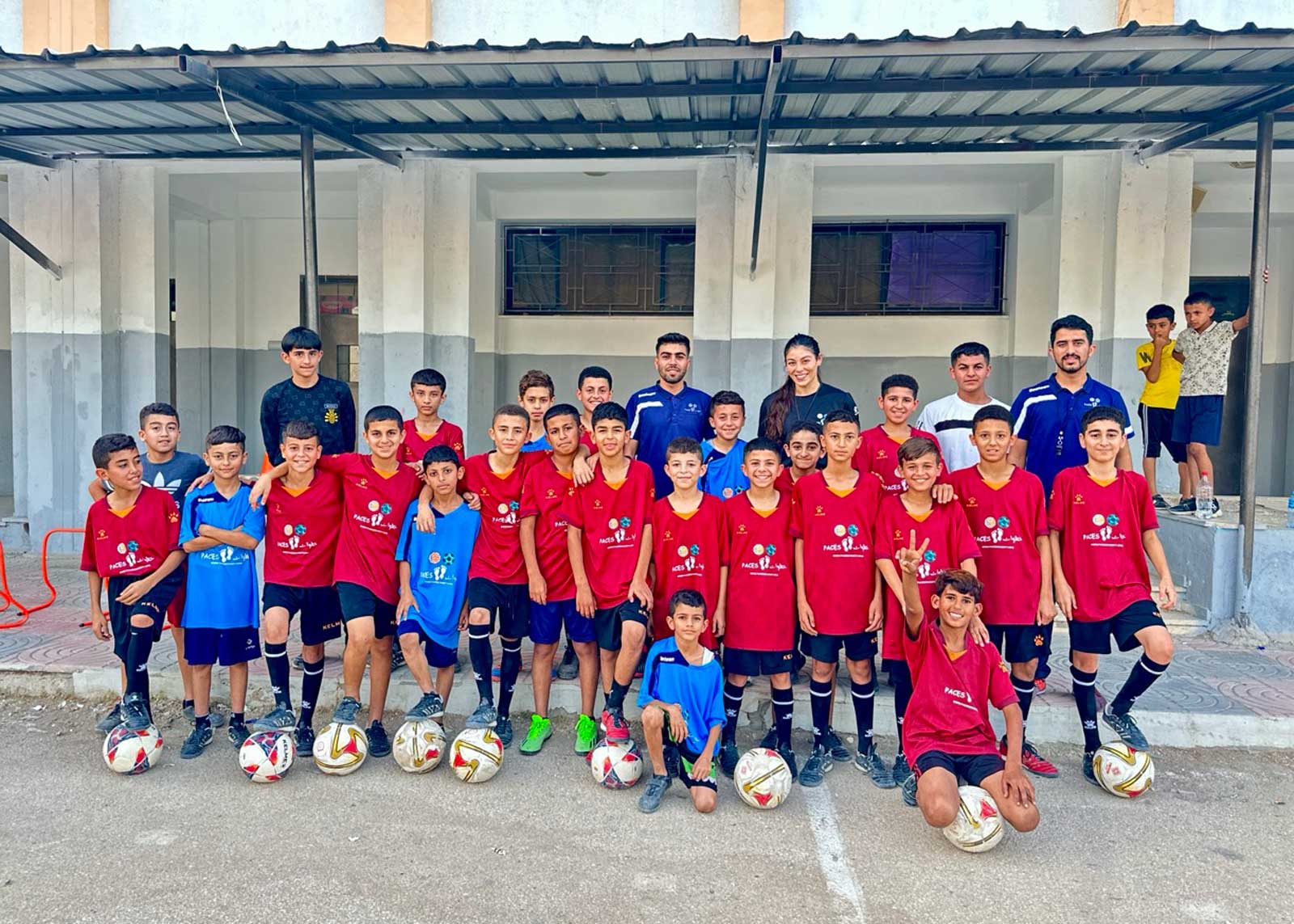
    Before DTM, I worked as a football coach in an academy and participated in projects that focused on sport development in marginalized areas of Palestine. After completing the DTM program, I took on a consultancy role, overseeing football programs in the central region of Palestine.


  1. What are the most valuable skills or insights you gained during your time at DTM?
    DTM is like a treasure chest of scientific, practical, and life experiences—the more you explore it, the more knowledge you gain. I particularly valued learning about sport event management and negotiation strategies. These skills have significantly boosted my confidence in these areas.


  1. Please explain the football program in the central region of Palestine that you supervised.
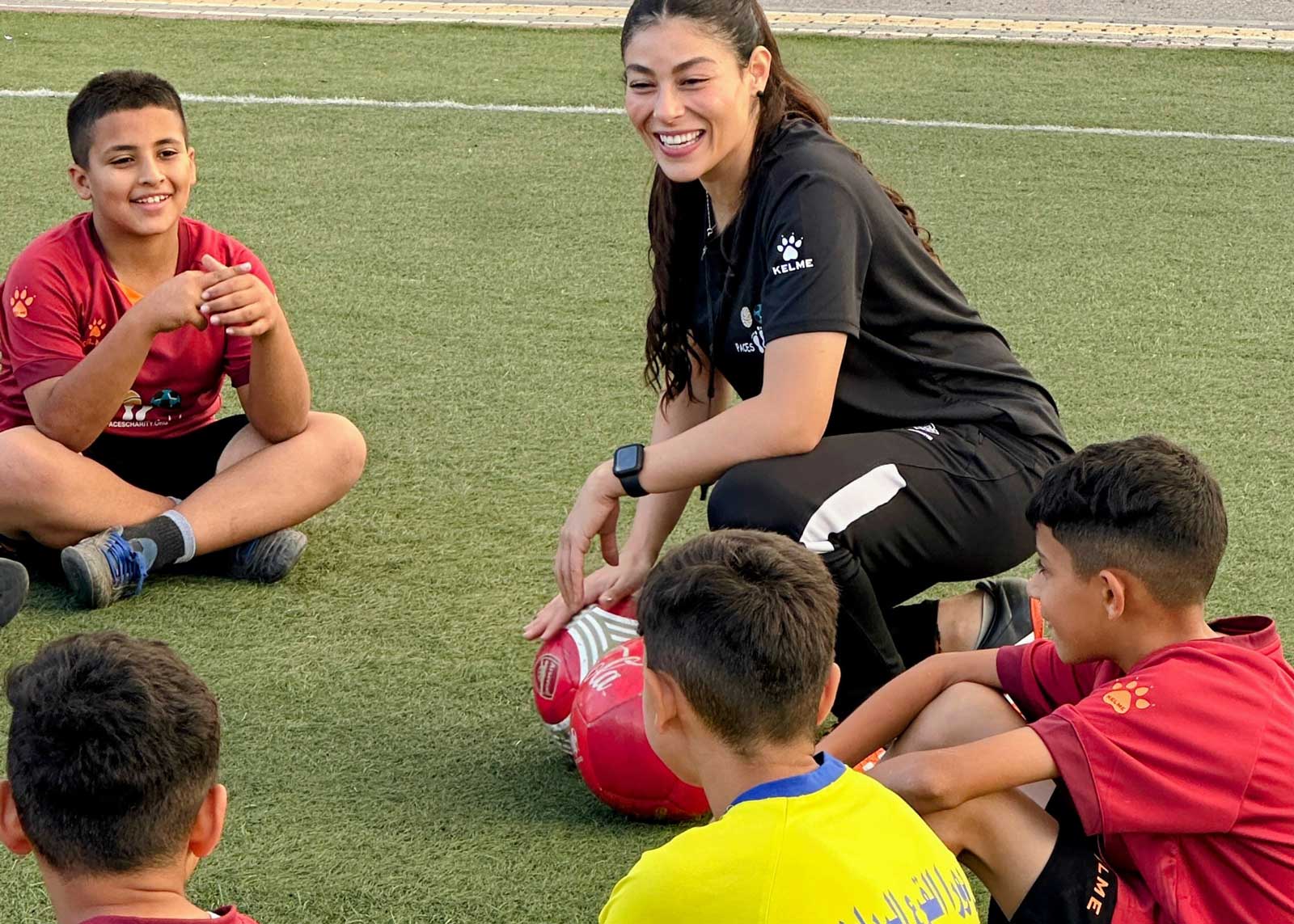
    I work with an NGO that runs programs in marginalized areas of Palestine, particularly in refugee camps and villages. As a consultant for the central region of the West Bank, I oversee programs in three cities: Ramallah, Jericho, and the Jerusalem district. I manage and supervise 20 clubs, which include 40 coaches from diverse backgrounds, experiences, and mentalities.


  1. Was there a specific experience, course, or project at DTM that directly influenced your approach to managing sports programs?
    Yes, the hands-on experiences at DTM had a major impact on my approach. Volunteering at the Asia Pacific Masters Games 2023 was particularly influential. As part of our team thesis, we conducted field research at the event, which allowed us to analyze how mega-sporting events are managed. This exposure gave me a deeper understanding of event logistics, stakeholder coordination, and program development, which I now apply to my work.


  1. Can you describe how you’ve applied the skills learned at DTM to the football program in the central region of Palestine?
    I have always been passionate about the intersection of history, development, and sports events and their role in national progress. My goal is to leverage global best practices to help develop sports programs in Palestine. While I know I cannot change the entire situation alone, I strive to enhance the program I work with, creating a positive impact on the ground. Marginalized areas need support, recognition, and hope for a better future, and I am committed to contributing to that vision.


  1. Were there any challenges in implementing these skills or ideas, and how did you address them?
    Organizing a sport event requires resources, and in these areas, securing the necessary tools is a major challenge. However, DTM taught us how to successfully execute events even with minimal resources while still achieving the desired goals.


  1. Can you share a specific success story or improvement that came about as a result of applying what you learned?
    One key lesson I learned at DTM was the importance of gender equality in sports. In a small Palestinian village with a population of about 2,000, the Israeli occupation severely restricts expansion and movement, as the village is located along a border road adjacent to occupied Palestinian cities we cannot access. Given these challenges, introducing a sports program to this community was a significant achievement. The village council not only welcomed our NGO’s initiative but also agreed to establish both a boys’ and a girls’ team under the PACES program. Seeing these children participate in sports despite the hardships they face is, to me, a true success story.


  1. How has your journey at DTM and your work on the football program contributed to your personal growth as a sports professional?
    DTM reshaped my understanding of professionalism in sports. The program emphasized the importance of integrity, strategic planning, and ethical decision-making—values I now apply to my work. Since returning to Palestine, I have been committed to upholding high professional standards, ensuring that the communities I serve receive quality sports programs and development opportunities.


  1. What are your goals for the program moving forward, and how do you plan to achieve them?
    Our 2025 plan is almost finalized, and we have made significant improvements to the program structure. My main goal for the upcoming year is to enhance the technical skills of both players and coaches, as their growth will directly contribute to the program’s overall success. To achieve this, we are implementing new training methodologies, increasing coaching education opportunities, and expanding community engagement initiatives.


By DTM Office

First Steps to Strengthen DTM’s Alumni Networking in Korea!


DTM, Dream Together Master!


A meaningful course that brings together people from various countries and sports to study various fields related to sports and build a valuable network!


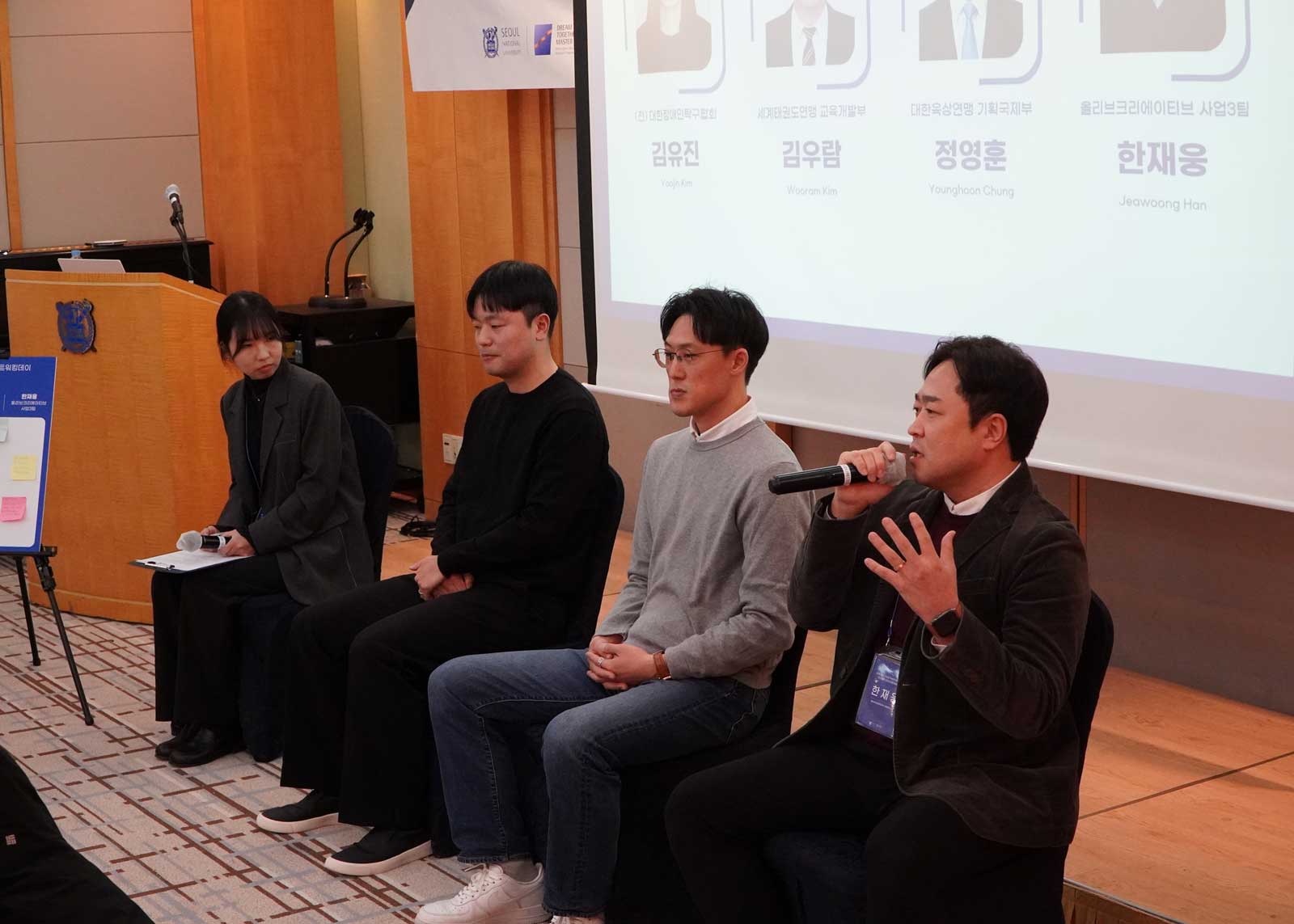
Hello, I am Han Jae-woong, an 8th DTM graduate.


Before completing the program, I worked for the Korea Women’s Football Association, and now I am in charge of international sport marketing at Olive Creative, and I am also the head of the ODA project team at the Korea Football Association Love Sharing Foundation.


I have gained a lot from the DTM program, not only in terms of academic growth, but also in terms of building a wide network of people from different countries and sports fields. However, I also have some regrets. Despite the fact that DTM is a Korean program, I felt that there was not enough interaction between alumni in Korea.


While DTM alumni all over the world are actively interacting with each other, there was a lack of close networking among Korean alumni for various reasons, which was very disappointing to me as one of the DTM alumni.


However, on Saturday, December 7, 2024, a meaningful event was finally held to resolve this disappointment. This was the DTM Korea Alumni Networking Day.


Organized by the DTM Office, the event was a meaningful gathering of Korean alumni from the 1st batch of DTM to the 12th batch currently enrolled in DTM, including Prof. Joonho Kang, Prof. Yongho Lee, and Ms. Sohee Lim of the Korea Sports Promotion Foundation.


Although not all alumni were able to attend, 22 out of 34 Korean alumni took time out of their busy schedules to attend the event, which was a valuable opportunity to strengthen bonds and make meaningful networking connections.


In particular, the job-specific talk show, in which I participated as one of the panelists, was a valuable opportunity for alumni to share their questions and concerns in a formal setting and interact directly with professors. In addition, the current students(12th batch) also had a chance to ask a variety of questions that provided practical help, making the event even more meaningful.


Of course, this event is not the end of DTM alumni unity in Korea. It is just the beginning.


I am confident that if DTM alumni in Korea who are active in various fields can work closely with each other and build an active network, they will be able to create powerful synergies and contribute to strengthening DTM’s status at home and abroad.


In order for this event not to be a one-time event, we need continued interest and active participation of domestic alumni. We hope that the DTM community in Korea will grow stronger through the formation of an alumni association and regular networking activities.


Thank you.


By Jae-woong Han(8th Batch)

Dreamer from Kazakhstan


  1. Please introduce yourself briefly.
    I’m Olzhas Togizbayev from Kazakhstan, a 9th batch DTM student.


  1. What did you do before DTM, and what did you pursue after the DTM Program?
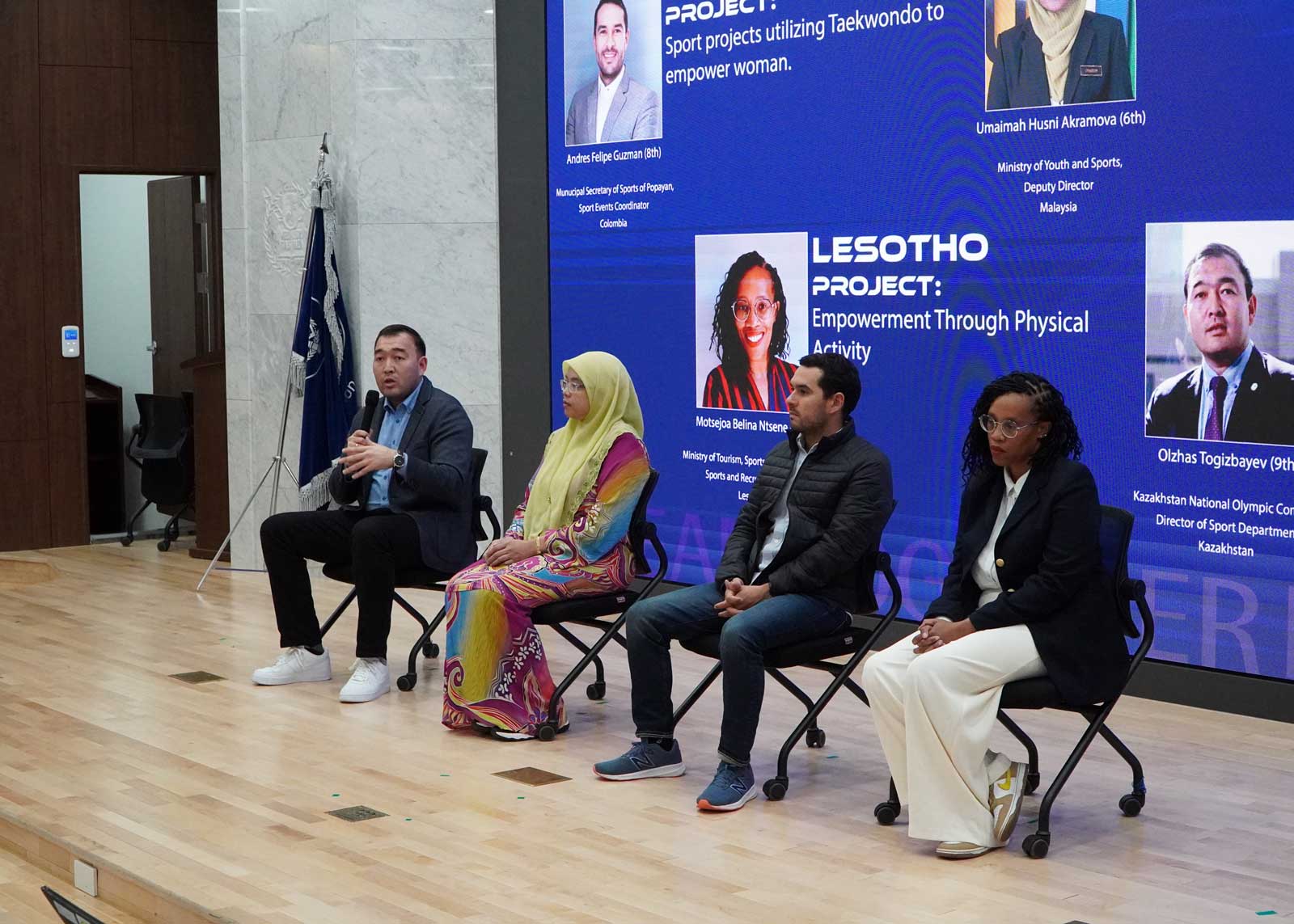
    Before DTM, I worked as a senior manager in the Sports Medicine and Anti-Doping Department of the National Olympic Committee (NOC) of Kazakhstan, overseeing sports medicine specialists, organizing conferences, and collaborating with the IOC.

    After DTM, I transitioned to NOC Kazakhstan’s Sports Department, which works closely with the IOC, OCA, national federations, and government organizations in preparing for multi-sport events like the Olympic and Asian Games. The DTM program opened doors for me to shift from sports medicine to sport management, emphasizing the role of education in sports development. Since graduating, I’ve been part of Kazakhstan’s delegation at Gangwon 2024, Paris 2024, and Harbin 2025.


  1. How was your trip to Korea and the roundtable?
    Thanks to the DTM office, I participated in the KSPO-Dream Together Master’s Program, where I met fellow alumni and discussed how DTM has evolved over the years. The program provided valuable insights into Korea’s sports development.

    At the roundtable at SNU, I shared my career journey and how DTM helped me apply my knowledge in Kazakhstan. It was an honor to speak in front of current students. If someone had told me back then that I would return to SNU as a speaker, I wouldn’t have believed it. That’s why this program is called DREAM Together—if you have a dream and act on it, anything is possible.


  1. What brought you to Korea earlier in 2024?
    In January 2024, I was honored to be part of Kazakhstan’s delegation at Gangwon 2024, my first multi-sport event experience. Thanks to my DTM education, I was selected for this opportunity. During the Games, I reconnected with DTM classmates and met current students volunteering there. Visiting the PyeongChang 2018 facilities during DTM was incredibly helpful in navigating the Games. It was an unforgettable experience.


  1. What are some future plans or achievements you would like to share?
    I’m currently enrolled in the IOC Certificate: Safeguarding Officer in Sport program, the first participant from Kazakhstan. After completing it, I plan to develop a safeguarding policy for NOC Kazakhstan and conduct educational seminars for national federations.
    We’re also collaborating with UNESCO on the Fit4Life project, training over 600 physical education teachers across Kazakhstan. This year, we aim to expand the initiative.
    Additionally, NOC Kazakhstan nominated me for the 18th International Session for NOAs and NOCs Delegates in May 2025 in Athens. This platform fosters dialogue and collaboration on Olympic education. I hope to be selected and contribute to promoting Olympism.
    We also look forward to establishing collaboration between SNU and NOC Kazakhstan to advance sport science and education in Kazakhstan.


  1. What was the most memorable part of being a DTM student?
    Professor Yukio Kim once said, “In SNU, the weekdays go: Monday, Tuesday, Wednesday, Thursday, Friday, Friday, Friday, and then Monday again.” He was right! The sooner you embrace this, the easier your studies will be.
    Some of my best memories are working on assignments with classmates in the DTM classroom and coffee shops. Those moments of teamwork and late-night study sessions are unforgettable.


  1. As a graduate, is there anything you would like to share through the newsletter?
    My advice to DTM students: Study hard, learn as much as possible while in Korea, and build strong connections—networking is everything. All the hard work and sleepless nights will pay off in the future. I’m living proof of it!


By DTM Office


A New Inning: The Road to Baseball Greatness in Indonesia


My name is Ugrasena, but you can call me Oso. I am from Indonesia and a proud member of the 10th batch of the SNU DTM program. Baseball has been a defining part of my journey—I have represented Indonesia’s national team and the DKI Jakarta state team. Currently, I serve as a Market Intelligence Manager at BINAR, an education startup specializing in market research and strategic insights. Additionally, I am a Project Officer at Tridaya Baseball Academy, where I focus on developing programs to advance baseball in Indonesia.


Throughout my career, my vision has remained clear: to revive and elevate Indonesia’s baseball greatness. As a player, I was fortunate to represent my country in international tournaments, winning a Gold Medal at the 2009 East Asia Baseball Cup, a Silver Medal at the 2011 Southeast Asian Games, and another Silver Medal at the 2015 East Asia Baseball Cup. However, in recent years, our achievements have declined, emphasizing the urgent need for a stronger development system to ensure long-term success. This realization fueled my determination to take action and contribute beyond the field.


With this vision in mind, I participated in the 2024 DTM Alumni Contest, where I was honored to receive the 2nd Best Project Proposal award. My proposal focused on a potential collaboration between Indonesian baseball and South Korea’s renowned Hulk Foundation, led by baseball legend Mr. Lee Man-soo. His dedication to growing baseball in Laos through the Hulk Foundation has been incredibly inspiring, and I believe a similar approach could transform Indonesia’s baseball landscape. Through extensive discussions with the Hulk Foundation team, I proposed a one-week pilot program aimed at developing young players while also coaching coaches and officials—a crucial step in building a strong and sustainable baseball ecosystem in Indonesia. This initiative will start in Jakarta, Indonesia’s capital city, before expanding to other promising regions to strengthen our talent pipeline and lay the foundation for future success.


Being selected as a winner in the DTM contest was a moment of happiness, gratitude, and confidence. I truly believe that this project marks the beginning of a new chapter for Indonesian baseball. Returning to Korea and the DTM program felt like coming home—to a family that nurtured and shaped me, not only in sport management but also in personal growth. The program opened my eyes to how much I still need to learn, and it reinforced the values of hard work, teamwork, and dedication—principles that have significantly impacted my career and life.


To the current students, I encourage you to make the most of this experience. Learn from the global experts that DTM provides, and embrace every moment in Korea—from academics to cultural immersion. Additionally, I got the chance to meet Hulk Foundation and Mr. Lee Man-soo from one of the programs that SNU DTM held in 2023 back then and it resulted in one of the initiatives for reviving Indonesia baseball success. I was also fortunate to join the SNU Baseball Team, where I met new friends and gained valuable insights into Korean baseball culture. To the future students, don’t miss this incredible opportunity. The DTM program will shape you, challenge you, and push you toward greater success. I am confident that it will be a life-changing journey for you as it was for me. Thank you!


By Ugrasena(10th Batch)

  • home
    • About DTM
      • Welcome
        • Director’s Message
        • Endorsement
        • Global Networking
        • History
      • DTM at a glance
        • Vision & Mission
        • Facts & Figures
      • SNU at a glance
        • Why SNU
        • Life at SNU
        • Living in Seoul
      • People
        • Faculty
        • Current Students
        • DTM Team
        • Invited Speakers
      • Contact Info
    • Academics
      • Curriculum
        • Coursework & Thesis
      • Extracurricular
        • Special Lectrures
        • Field Trips
        • Cultural Experiences
      • Annual Schedule
    • Admissions
      • International Students
        • Admission Eligibility
      • Korean Students
        • Admission Eligibility
      • Tuition/Financial Aid
      • FAQ
    • News & Events
      • DTM Today
      • Newsletter
    • Dream Together Forum
      • Information and Schedule
      • Past Forums
      • Videos
    • Alumni
      • Alumni Profile
      • Alumni Network
        • Alumni Notice
        • DTM Spotlight
  • renewal
  • Alumni Media
  • History #2

Dream Together Master Global Sport Management Graduate Program Seoul National University
Phone : +82-2-880-2984,5 | Fax : +82-2-888-2985 | Email : snugsmadmission@gmail.com
Bldg.153 #316 Seoul National University 1 Gwanak-ro, Gwanak-gu, Seoul, Republic of Korea 08826

© 2025 snu DTM All rights reserved.