• About DTM
    • Welcome
      • Director’s Message
      • Endorsement
      • Global Networking
      • History
    • DTM at a glance
      • Facts & Figures
      • Vision & Mission
    • SNU at a glance
      • Life at SNU
      • Living in Seoul
      • Why SNU
    • People
      • Faculty
      • Current Students
      • Invited Speakers
      • DTM Team
    • Contact Info
  • Academics
    • Curriculum
      • Coursework & Thesis
    • Extracurricular
      • Special Lectrures
      • Field Trips
      • Cultural Experiences
    • Annual Schedule
  • Admissions
    • International Students
      • Admission Eligibility
      • Preferred Qualifications
      • Application Procedure
      • Application-&-RequiredDocuments
    • Korean Students
      • Admission Eligibility
      • Preferred Qualifications
      • Admissions Application
      • Application & RequiredDocuments
    • Tuition/Financial Aid
    • FAQ
  • News & Events
    • DTM Today
    • Newsletter
  • Dream Together Seoul Forum
    • Information and Schedule
    • Videos
    • Past Forums
  • Alumni
    • Alumni Profile
    • Alumni Network
      • Alumni Notice
      • DTM Spotlight
  • About DTM
    • Welcome
      • Director’s Message
      • Endorsement
      • Global Networking
      • History
    • DTM at a glance
      • Facts & Figures
      • Vision & Mission
    • SNU at a glance
      • Life at SNU
      • Living in Seoul
      • Why SNU
    • People
      • Faculty
      • Current Students
      • Invited Speakers
      • DTM Team
    • Contact Info
  • Academics
    • Curriculum
      • Coursework & Thesis
    • Extracurricular
      • Special Lectrures
      • Field Trips
      • Cultural Experiences
    • Annual Schedule
  • Admissions
    • International Students
      • Admission Eligibility
      • Preferred Qualifications
      • Application Procedure
      • Application-&-RequiredDocuments
    • Korean Students
      • Admission Eligibility
      • Preferred Qualifications
      • Admissions Application
      • Application & RequiredDocuments
    • Tuition/Financial Aid
    • FAQ
  • News & Events
    • DTM Today
    • Newsletter
  • Dream Together Seoul Forum
    • Information and Schedule
    • Videos
    • Past Forums
  • Alumni
    • Alumni Profile
    • Alumni Network
      • Alumni Notice
      • DTM Spotlight

Now Accepting Applications for the DTM 13th Batch


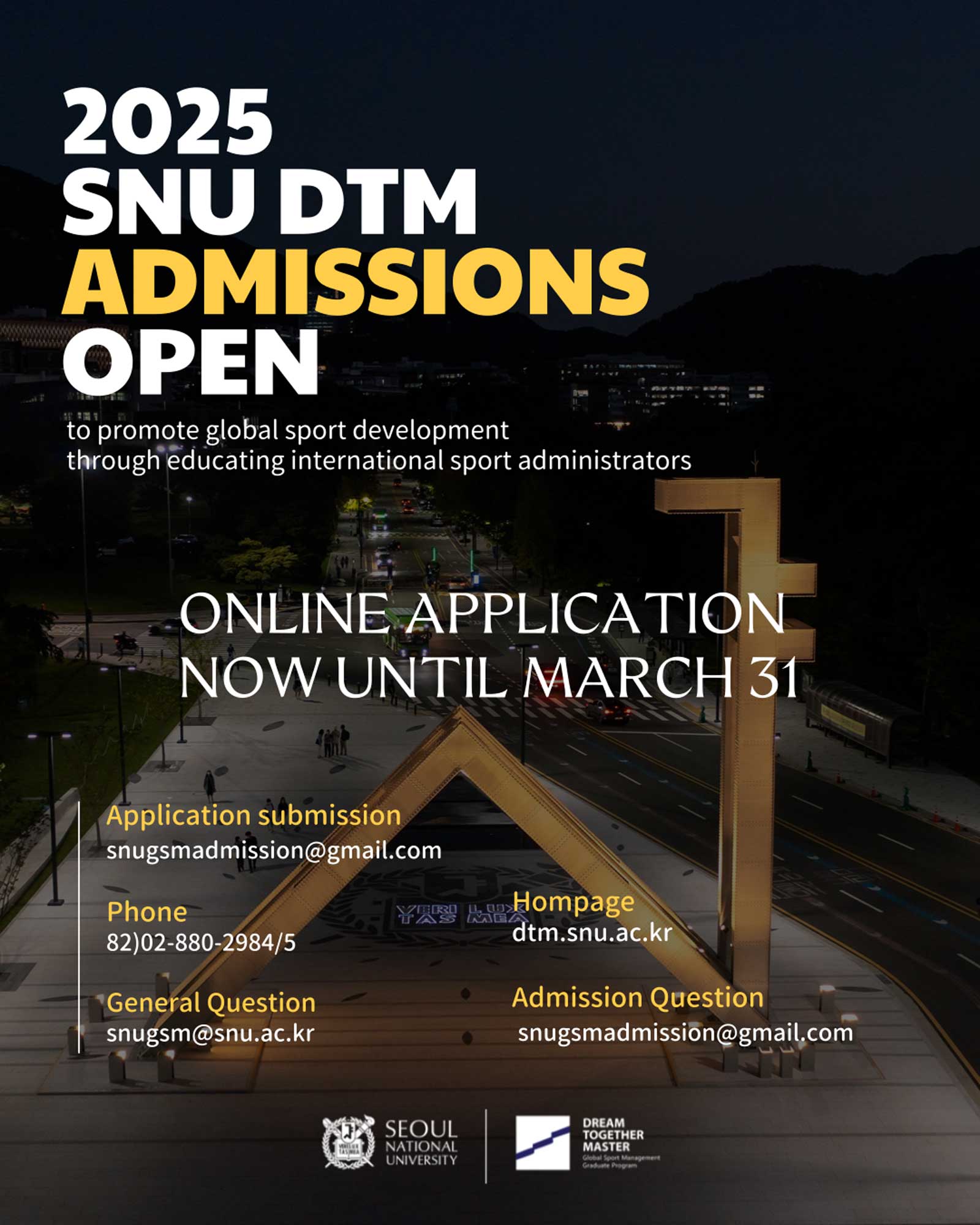
The Dream Together Master (DTM) Program at Seoul National University is now open for applications from aspiring sport management professionals. This prestigious program invites individuals passionate about advancing global sport development to join the 13th Batch of DTM.


Offering a master’s degree in sport management, the program provides a comprehensive curriculum covering 30 key topics, designed to help students stay ahead in the fast-changing sports industry. With a full scholarship covering tuition, living expenses, and round-trip airfare, DTM fosters a supportive environment where students can unlock their full potential and connect with a global network of future sports leaders.


The application deadline is March 31. DTM seeks applicants who share the mission to promote global sport development.


Please refer to our website dtm.snu.ac.kr for more information.


By DTM Office

Exclusive Interview: Welcoming Our New Head of Staff, Mr. Bryce Changwon Oh


As part of our ongoing efforts to keep the Dream Together Master (DTM) community informed and engaged, we are delighted to introduce the newly appointed Head of the DTM Office, Mr. Bryce Changwon Oh. In this exclusive interview, Bryce reflects on his journey with DTM, shares his vision for the future, and offers personal insights into the program’s profound impact on International sport development.

Bryce’s Journey and Role

  1. How do you feel about being appointed as the head of the DTM administration in August 2024?
    In July 2024, I received an official offer from Dr. Joon-ho Kang, the Director of the Dream Together Master Program, appointing me as the new Head of Staff. It was truly an honor to be assigned with leading such an exceptional team and contribute to both the program’s advancement and the development of global sport. This appointment also allowed me to reflect on my journey with the DTM Office. I realized just how fortunate I am to be doing what I genuinely love. Honestly, it’s quite rare these days to find work that aligns so closely with one’s passion.
  1. Could you explain your responsibilities as Head of Staff?
    As Head of Staff, I am responsible for overseeing the overall administrative operations of the DTM Office. My duties range from managing the admissions process to ensuring the smooth operation of the academic curriculum. Additionally, I support the Director and Associate Director in their external engagements and handle communication with various international institutions. The DTM Program is not merely a Korean government initiative but a global platform connecting alumni and stakeholders worldwide. Our office is always bustling with activity, but my colleagues’ commitment and teamwork make everything possible. I am deeply grateful to each member of the team for their dedication and sense of responsibility.


  1. How did your journey with DTM begin?
    My connection with DTM happened somewhat by chance. I majored in International Relations at university, not sport. Although I had always been interested in sport, I never considered pursuing a career in the field. After graduating, I was seeking a job related to international development cooperation when I came across DTM. As soon as I read the job description, I knew I had to apply. It was the perfect opportunity to work at the intersection of international development and sports—both of which I am passionate about. It’s hard to believe that nearly ten years have passed since I joined the office as an intern. Looking back, every graduate I have met over the past decade holds a special place in my heart.
  1. Now, in retrospect, what has been the most rewarding moment or memorable experience since you have been overseeing the program?
    The most rewarding aspect is, without a doubt, witnessing the success of our graduates. Seeing them return to their home countries and contribute to the development of their sport systems, or observing their personal growth as they apply the knowledge gained here—those moments bring the true value of DTM for me. Sometimes, it’s surreal to see former students, who were my close friends in Korea, now holding key positions in their respective countries. It reminds me that, in a small but meaningful way, we are contributing to the advancement of international sport.

Program’s Impact and Growth

  1. What do you believe is DTM’s greatest contribution to sport administrators from developing countries?
    As I mentioned earlier, DTM’s greatest strength lies in two key areas. First, students gain invaluable knowledge from our world-class faculty and hands-on experiences within Korea’s advanced sport system. Second, DTM offers a truly global platform for building human networks. One quote that always comes to mind is from one of our most popular professors and my dear friend and colleague, Alan Abrahamson: “Relationship is everything.” Throughout life, human connections often hold the key to success. No matter where you work, leveraging your network can open doors to endless opportunities. That is why DTM’s network is one of the most valuable takeaways for sports administrators from developing countries. And, of course, I cannot overlook Seoul National University’s reputation. The decision to join DTM is often influenced by various factors—some may be drawn by their interest in Korea, others by the scholarship opportunity. But, ultimately, the prestige of Seoul National University, as Korea’s top institution and a world-class university, is a key factor. This shared experience under the DTM and SNU banners fosters a lasting bond among our graduates, creating a powerful support system across different cohorts.
  1. Are there any graduates who stand out in your memory?
    That’s a tricky question. Honestly, I remember every single one of our more than 250 graduates—their names, their countries. I often tell my colleagues that while we do have professional responsibilities, we also build genuine friendships with students worldwide. When you spend 17 months together, seeing each other every day, it’s impossible to forget them. Knowing that I now have friends all over the world is something I feel incredibly lucky about.

Vision and Future Goals

  1. In light of the evolving global sports industry, what role do you envision for DTM?
    The world, including the sports industry, is changing rapidly. Just look at how artificial intelligence has become an inseparable part of our daily lives in such a short time. This fast-paced growth risks widening the gap between developed and developing countries. I believe it is our responsibility to ensure that no one is left behind. DTM will continue to nurture the next generation of sports administrators in developing countries, but we also aspire to contribute to the development of international sport as a whole.
  1. Are there any new plans to enhance DTM in the future?
    As the number of our alumni continues to grow, we are focusing on building a more robust alumni network. We want to encourage greater interaction among graduates and create opportunities for them to support each other’s professional growth. The DTM Office is also planning new channels and events to facilitate these connections. Additionally, we are working on establishing better networking opportunities specifically for our Korean alumni, to ensure they can also benefit from this strong community.

As Bryce stepped into this new leadership role, his commitment to fostering an exciting and globally connected DTM community is clearer than ever. We look forward to seeing how his vision will further elevate the program and empower the next generation of sports leaders.

Stay tuned for more updates from the DTM Office as we continue this exciting journey together.

By DTM Office

Guiding Global Students: The Journey as a DTM Mentor


Taeseok Kim, a Master’s student in Global Sport Management, has been an invaluable mentor in the Dream Together Master (DTM) program. In this interview, he shares his experiences, challenges, and lessons learned, offering insight into the rewarding journey of a DTM mentor.


  1. Could you please start by briefly introducing yourself?
    Hello, my name is Taeseok Kim, and I am currently pursuing a Master’s degree in Global Sport Management at the Department of Physical Education.


  1. What inspired you to become a DTM student mentor?
    During my time at the university, I wanted to use my academic background and experience in a way that could benefit others. Specifically, I found the DTM Mentor Program very appealing because it is rare to have opportunities to interact and exchange ideas with students from so many different countries.


  1. Would you mind sharing a bit about the students you have mentored?
    I had the privilege of mentoring several students: Daniel Christianto from Indonesia, Mohamed Said from Kenya, Binderiya Orkhon from Mongolia, and Madina Arstanova from Kyrgyzstan.


  1. In what ways did you support DTM students in adjusting to their new environment and daily life?
    Since most of my mentees were new to Korea, they often felt overwhelmed by everyday life matters. I often helped them tasks such as them how to use transportation cards, guided them through dormitory application processes, and explained how to register for classes step by step. I also helped with interpretation or administrative paperwork when necessary. Additionally, I believe having an online communication channel where they could reach out anytime with questions was particularly helpful.


  1. Did you encounter any challenges as a mentor? If so, how did you overcome them?
    In truth, the biggest challenge was not a specific difficulty but rather managing my time and setting priorities. Besides mentoring, I also had to keep up with my own research, coursework, and personal commitments. To overcome this, I planned regular meeting schedules in advance, organized activities based on my mentees’ areas of interest, and carried them out efficiently. By coordinating everyone’s calendars and managing my schedule carefully, I was able to engage in meaningful mentoring activities.


  1. Could you share the most rewarding or memorable moment from your mentorship experience?
    My most memorable experiences involved spending time with not only my assigned mentees but also other students in the same 12th batch. We shared knowledge, exchanged opinions, and learned about each other’s cultures. I still remember the day they attended my master’s thesis presentation and stayed until the very end. It felt like we went beyond a mentor-mentee relationship and became genuine partners in learning.


  1. Are there any special memories you have with your mentees that you’d like to share? (e.g., visiting a baseball game, etc.)
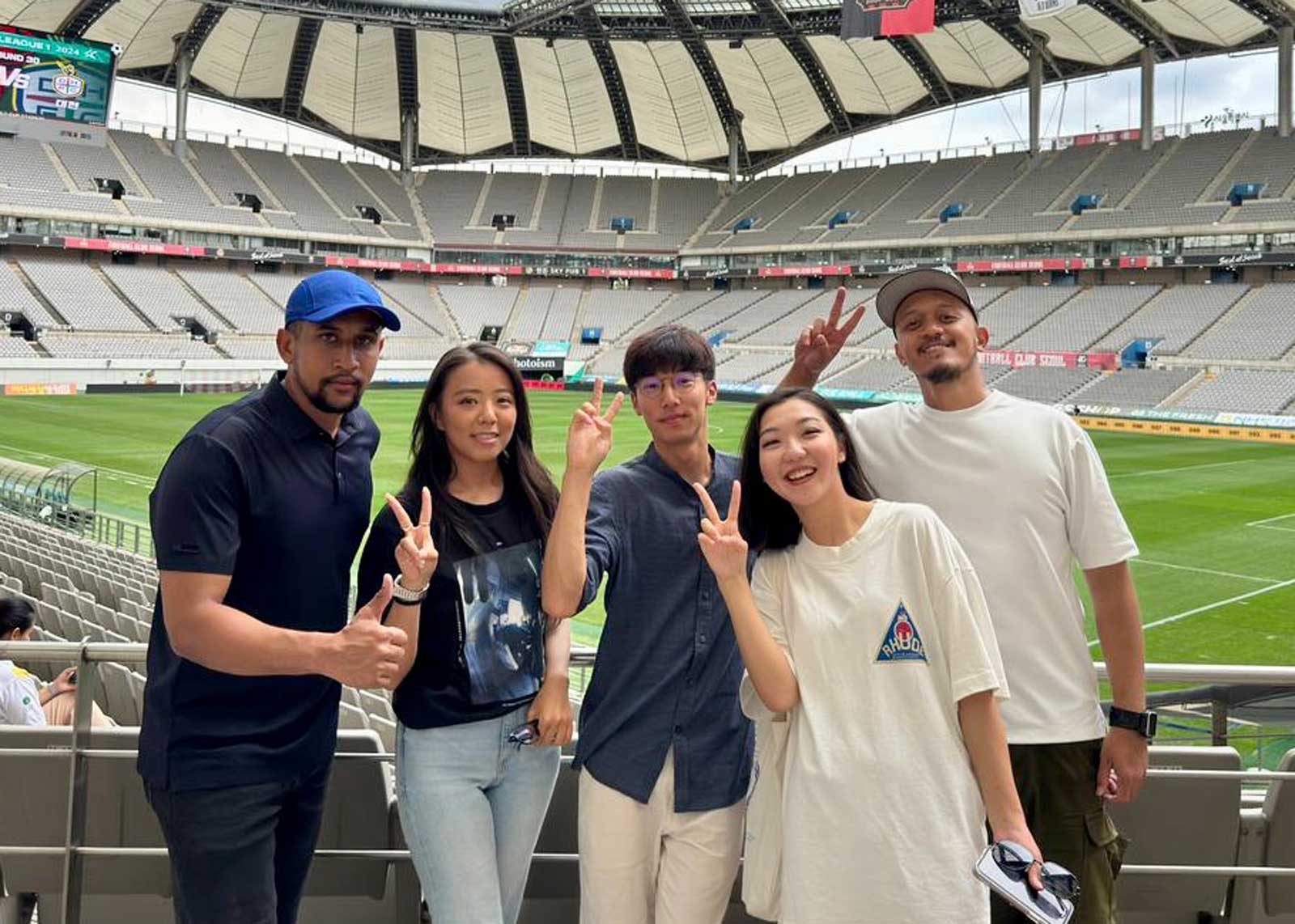
    We also bonded over sports events. We didn’t just watch soccer, baseball and golf; we also attended less common events, such as dragon boat races and climbing competitions. we explored Seoul and nearby cities, tried various Korean and had long conversations about our interests.


  1. What were some of the key strengths you observed in the students you mentored?
    Working with mentees from various backgrounds made me realize just how broad and inventive people’s approaches to problems can be. Each one brought a fresh perspective and an ability to adapt. Even when they hit roadblocks, they stayed positive and tried to solve issues on their own first. Their enthusiasm and resilience inspired me and also improved my own collaborative skills.


  1. What is the most valuable lesson you have learned from mentoring?
    Perhaps the biggest lesson I took away from this experience is the importance of grabbing opportunities when they appear. I saw my mentees step outside their comfort zones without fear, which reminded me that it’s better to act than to remain stuck in endless doubt. By taking part and learning on the go, I grew far more than I would have by only thinking about possibilities.


  1. What advice would you give to future DTM mentors?
    At first, I wasn’t entirely sure I would make a great mentor. I hesitated but ultimately took the plunge and discovered new ways to learn and grow. If you’re considering a chance to work with people from different cultures and to develop your communication skills, I encourage you to apply to a program like this. It’s a rewarding experience that may surprise you with how much you learn about yourself.


By DTM Office

Embracing the Chill of Winter Sports


I believe that when the impact of imparted attitudes, skills, and knowledge in academia begins to take effect in one’s life, there arises a natural desire to write. This is why I felt compelled to share my reflections on the Winter Sports experience.


Coming from tropical climates where snow is only seen in movies, the thought of skiing down icy slopes or experiencing winter sports was both thrilling and daunting. From the moment we arrived in Korea, through the winter break, and in the weeks leading up to our departure, excitement filled the air. Conversations were a mix of curiosity and nervousness. When the day finally arrived, we set off from Gwanak residence on that chilly morning, ready for the adventure. As we left Seoul, the scenery gradually transformed from concrete towers to breathtaking landscapes and snow-covered courses.


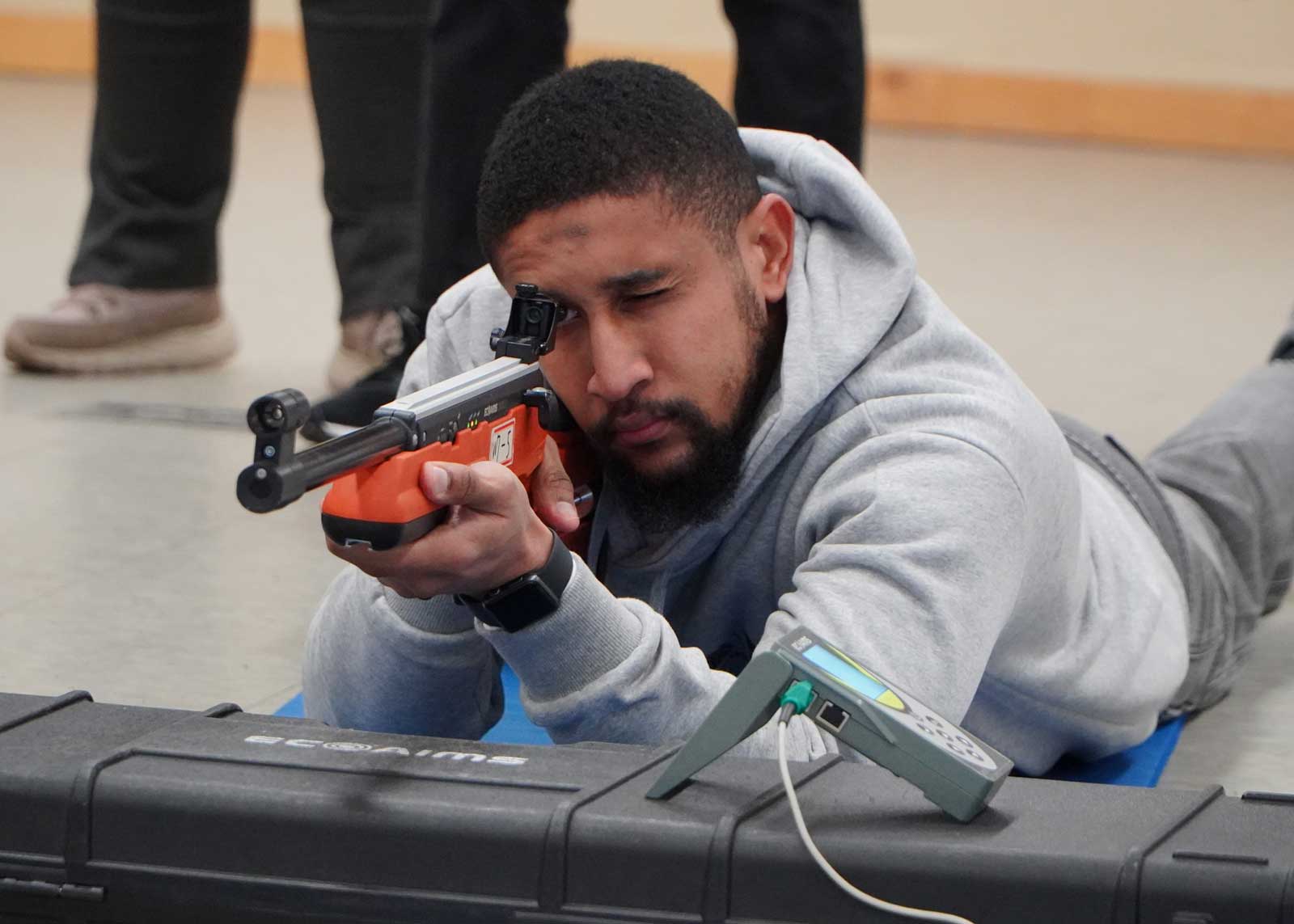
By afternoon, we arrived at Alpensia Biathlon Stadium, where world-class athletes had competed during the 2018 Winter Olympics. Realizing we were on Olympic grounds was humbling, especially seeing how the facility was also used as a football stadium, maximizing its use—an important lesson for us. Among the highlights, we were amazed by the Ski History Museum Daegwallyeong, the monorail, the main stadium with its lawn, and the Ski Jump Tower and observatory. We didn’t just observe; we experienced cross-country skiing, leaving us breathless within meters, and biathlon rifle practice, where steadying the rifle while maintaining calm to hit distant targets was an eye-opening challenge.


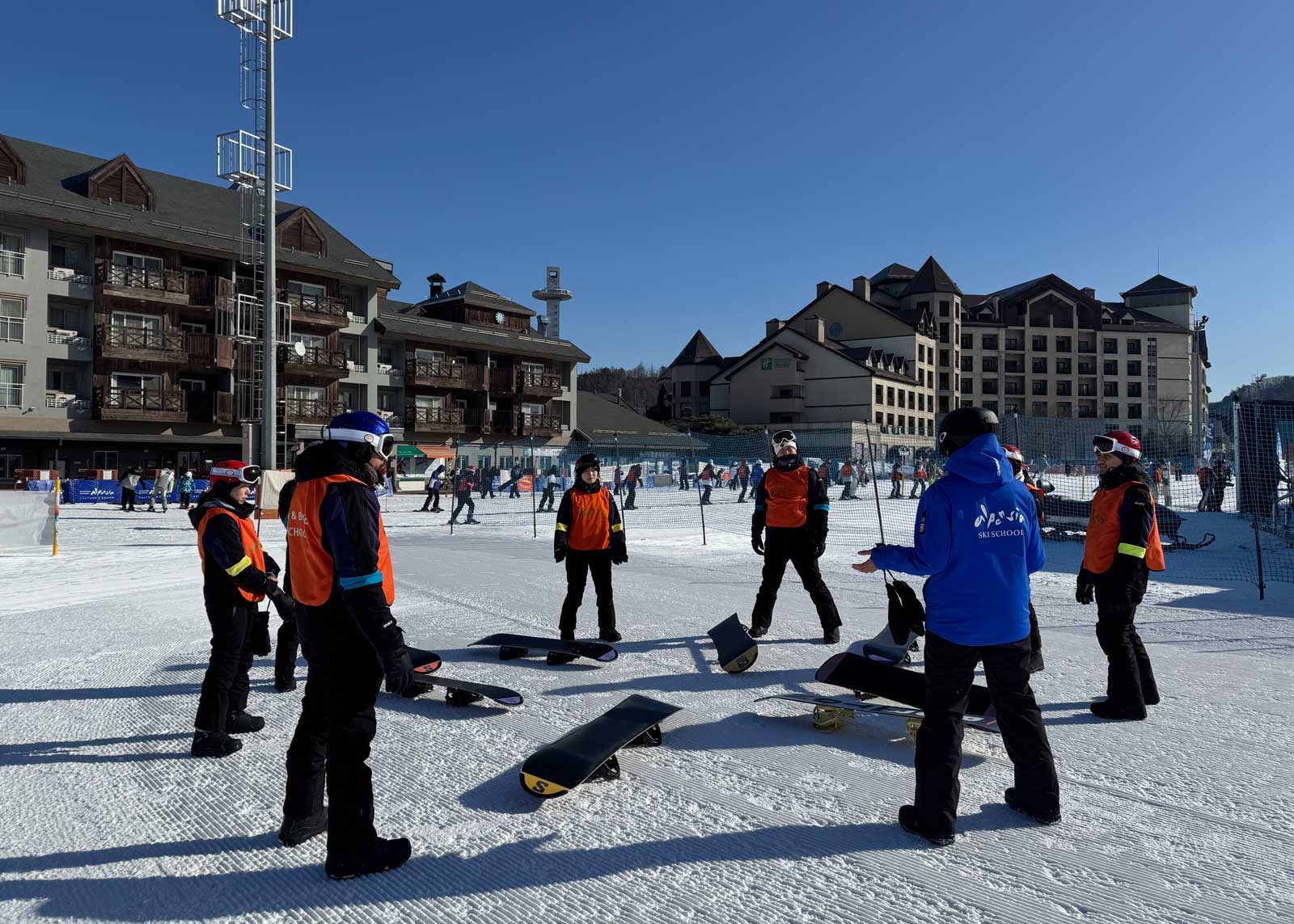
The next day, the 12th Batch split into skiing and snowboarding groups. The step-by-step lessons from expert coaches were exhilarating. As beginners, we focused on grasping the basics and executing them. The well-designed trails, runs, and cable lifts provided an ideal environment to quickly pick up winter sports. By mid-morning, we were sliding through the snow, laughing at our falls, and struggling to get back up.


In the afternoon, confidence took over. Each successful skiing and snowboarding attempt brought a sense of accomplishment. The rush of gliding through the snow, the cold wind on our faces—it was pure exhilaration. The day ended with a well-deserved banquet of chicken and pizza, the perfect remedy for our sore muscles. Over dinner, we shared stories of triumphs and hilarious wipeouts, strengthening our bonds.


On our final day, we took the Balwangsan Cable Car, which offered a breathtaking aerial view of the snow-covered mountains. The surreal beauty was unforgettable. We then visited the PyeongChang Olympic Museum, where I marveled at how the Olympics had transformed the region. The museum perfectly encapsulated the fusion of sports, culture, and technology, highlighting the profound impact of mega sporting events.


As we boarded the bus back to Seoul, a deep sense of satisfaction settled in. What had initially seemed impossible had turned into an unforgettable and rewarding experience—embracing new challenges and discovering the power of perseverance. Nelson Mandela’s words echoed in my mind: “It always seems impossible until it’s done.”


Ultimately, words cannot fully capture the emotions we experienced during this Winter Sports extracurricular session. The memories created will last a lifetime. All credit goes to the sponsors of the exceptional Dream Together Masters (DTM) program. We remain grateful to Korea, our NOCs, sports institutions, and federations for their dedication to advancing sport management and making a positive impact on global sports administration.


By Mohamed Said(12th Batch)

Experiencing Korean Excellence in Parasport Development: Reflections as an 11th Batch DTM Student


During my tenure at the Sport Association for the Disabled of Thailand, I often heard about Korea’s remarkable achievements in parasport development. My supervisors and colleagues who had visited Korea or attended training camps there would return with stories of how advanced and well-structured their systems and facilities were. These accounts left a lasting impression on me, fueling my desire to witness it firsthand.


As part of the 11th Batch of the DTM program, I had the extraordinary opportunity to visit the Korea Paralympic Committee (KPC) Icheon Training Center, now recognized as the Asian Paralympic Committee’s Centre of Excellence. This visit was not only a personal milestone but also a source of inspiration for my association. Currently we are in the process of constructing a one-stop training center for parasports in Thailand. We aspire to create a facility that mirrors the professionalism and efficiency of Icheon.


Walking through the Icheon Training Center, I was in awe of the world-class facilities and state-of-the-art equipment. The center is designed with inclusivity and convenience in mind, enabling athletes with disabilities to navigate seamlessly. I could vividly imagine how training in such an environment would boost performance and morale. The centralized setup eliminates transportation challenges, which are a significant barrier for many athletes with disabilities. One of the most striking aspects of the Icheon Training Center is its integrated approach to fostering teamwork and discipline. Particularly during the critical periods like pre-mega events such as the Asian Para Games or the Paralympics. Training halls for various sports are situated adjacent to one another. The athletes from different disciplines come together for meals in a shared cafeteria. The main hall, adorned with displays showcasing Team Korea’s legacy and achievements, serves as a powerful source of inspiration for all who enter.


When we visited, the center was after the Paris 2024 Paralympics. The facilities were still decorated to simulate the atmosphere of Paris. This is to ensure that the athletes would be familiar with the environment and face minimal distractions during the competition. This attention to detail demonstrates the center’s commitment to athlete readiness.


Another noteworthy feature is the accommodation, which is directly connected to the training center. This ensures that athletes have easy access to their training facilities. What truly sets Icheon apart is its in-house sport science and medical departments. For athletes with disabilities, who often face challenges with transportation and emergencies, having these essential services on-site is invaluable.


In contrast, Thailand still has a long way to go. Our training centers are scattered and often adapted from facilities designed for able-bodied athletes. However, my visit to the Icheon Training Center has reinforced my belief that we can achieve similar excellence with determination and collaboration.


The experience was not only enlightening but also motivating. It has strengthened my resolve to contribute to the development of parasport in Thailand and to advocate for inclusive, centralized training facilities that empower our athletes to reach their full potential.


By Pann Na Nakorn(11th Batch)

Shaping the Future of Sports: Insights from the Dream Together Seoul Forum 2024


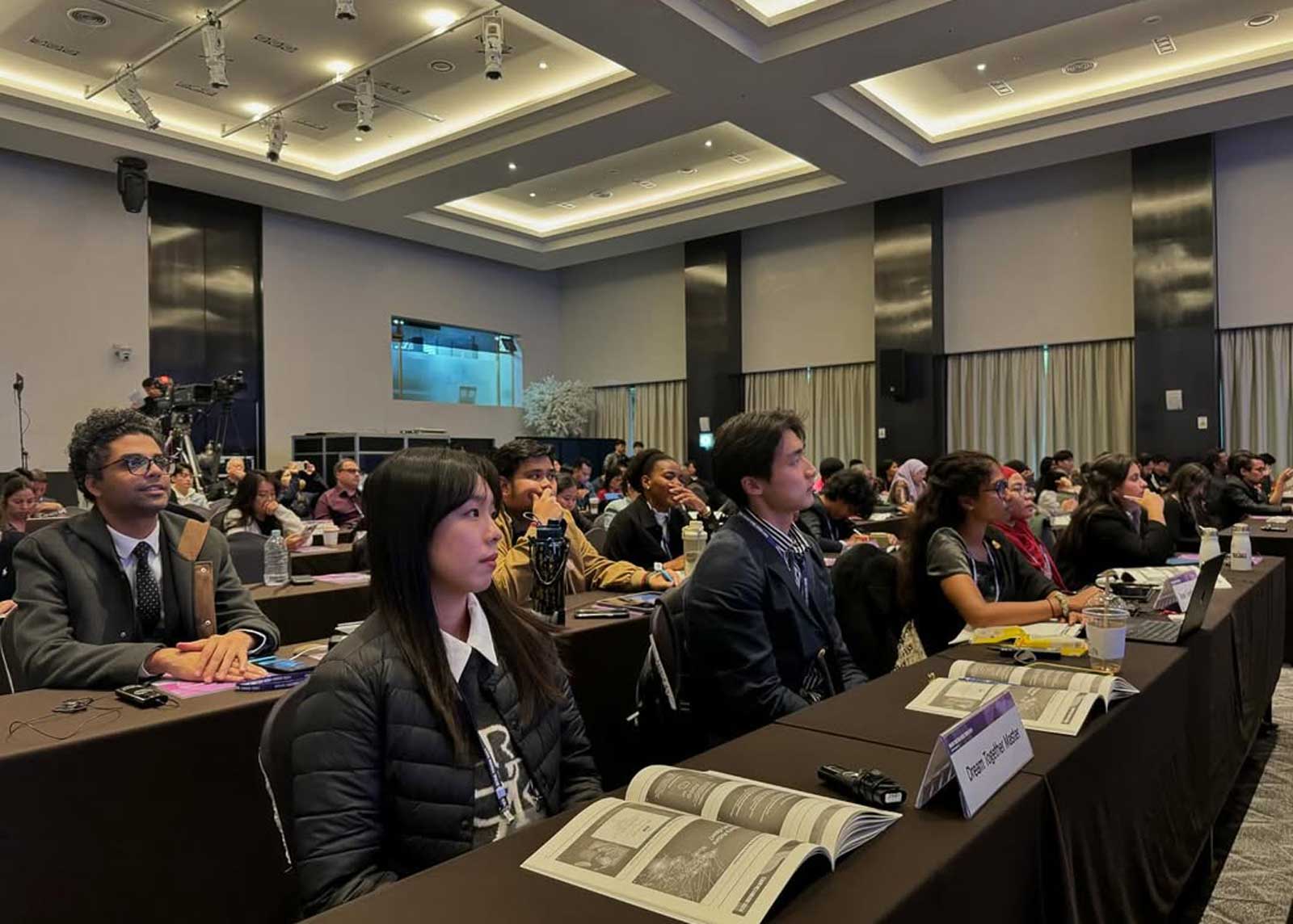
The Korea Sports Promotion Foundation (KSPO), in collaboration with the Ministry of Culture, Sports, and Tourism, and Seoul National University, successfully hosted the Dream Together Seoul Forum 2024 on November 23, 2024, at the Seoul Olympic Parktel.


 Launched in 2013, the forum is closely tied to the Dream Together Master (DTM) Program, a master’s degree program for global sports administrators. Now in its 12th year, the event has become a significant platform for fostering international collaboration and professional exchange in the field of sport management.


 This year’s forum centered on the theme of “AI Technology and the Future of Sports.”Attendees included DTM, as well as experts and stakeholders from diverse fields such as international development cooperation, and the sports industry. Together, they engaged in in-depth discussions on the intersection of AI and sports.


 A highlight of the forum was the presentations by outstanding DTM alumni, showcasing their impactful achievements. Nominzul Khuyag (5th Batch) presented on ‘FIBA 3×3 World Tour and Women’s Series Ulaanbaatar with Urban Festival‘, while Ugrasena (10th Batch) highlighted ’Baseball Development for Athletes, Coaches, Officials and Sports Managers in Indonesia collaboration with Hulk Foundation’.


 Both DTM alumni earned the opportunity to present their projects at the forum after winning the 2024 SNU DTM contest for Project Proposal, and they were invited by KSPO to share their inspiring work with the global audience.


 The Dream Together Seoul Forum 2024 served as a meaningful platform to explore the transformative potential of AI in sports, discuss sustainable development strategies, and highlight the innovative efforts of global sports leaders shaping the future of the field.


By DTM Office

From Tax Returns to Taekwondo Tournaments


I come from beautiful Malaysia, a country rich in vibrant cultures, traditions, and incredible food. Growing up in a lower middle-class family, I learned early on the importance of financial stability, best achieved through a solid education leading to a well-paying career.


With financial support from my aunt and encouragement from my parents, I attended top schools and engaged in various extracurricular activities. Along the way, I discovered Taekwondo. What started as an after-school activity became a defining part of my life, instilling discipline, respect, and perseverance. More than just a martial art, Taekwondo became a guiding philosophy—one I wanted to share with the younger generation.


By sixteen, I was teaching Taekwondo to children and teenagers on weekends while pursuing my studies. After graduation, I became a tax consultant—a demanding job requiring long hours and mental resilience. Though I enjoyed the intellectual challenge, the stress took a toll. Taekwondo became my refuge, helping me maintain balance.


After nearly six years, I reached a crossroads. Despite financial stability, I felt unfulfilled. My passion lay in Taekwondo, not tax calculations. The leap from a corporate career to sport management was daunting, but I knew I had to try. I wanted to contribute more meaningfully to the sport I loved.


Unsure where to begin, I discovered the Dream Together Master’s (DTM) program—an ideal stepping stone into sports leadership. After working hard to secure a scholarship, I was thrilled to join the 11th batch.


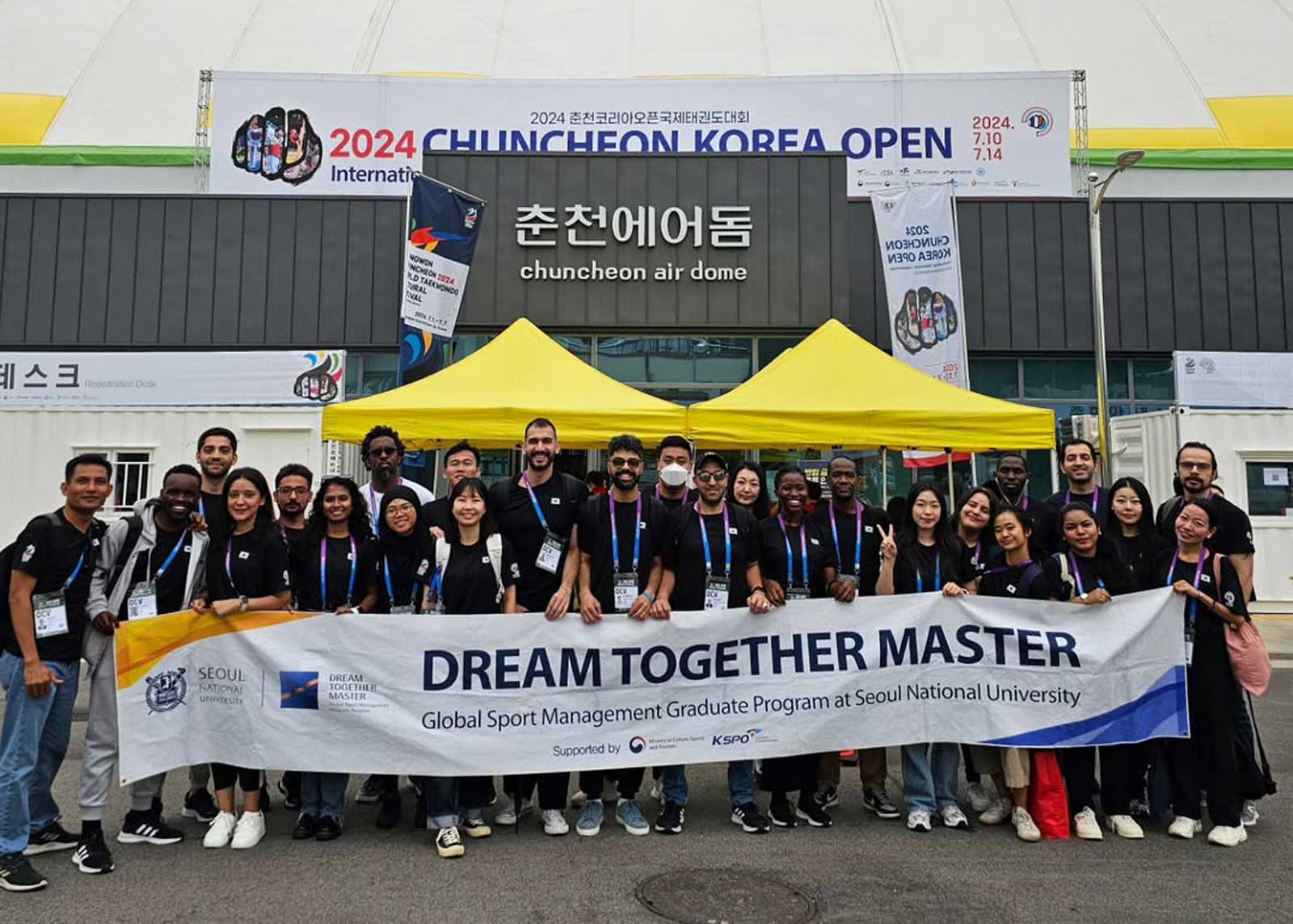
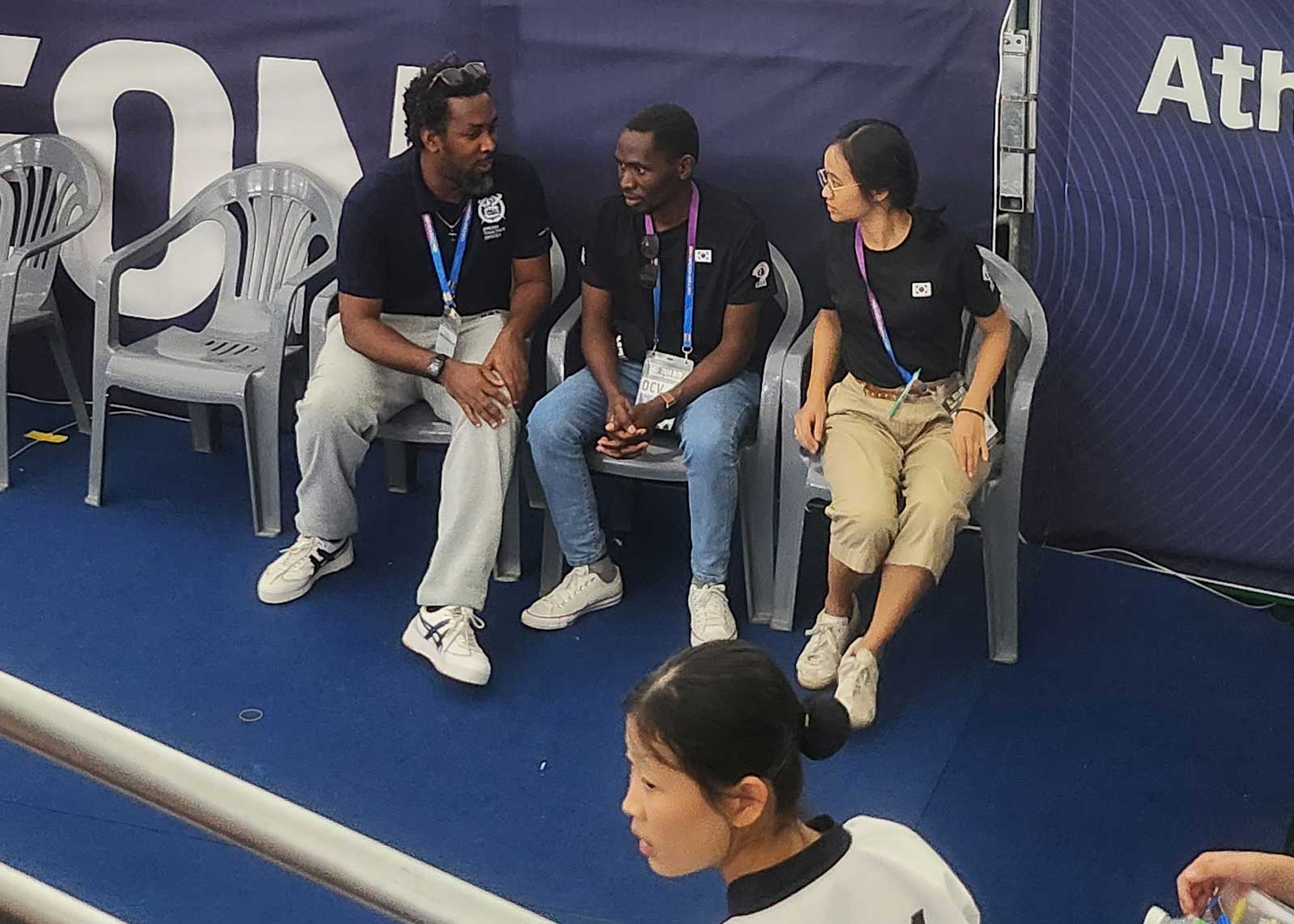
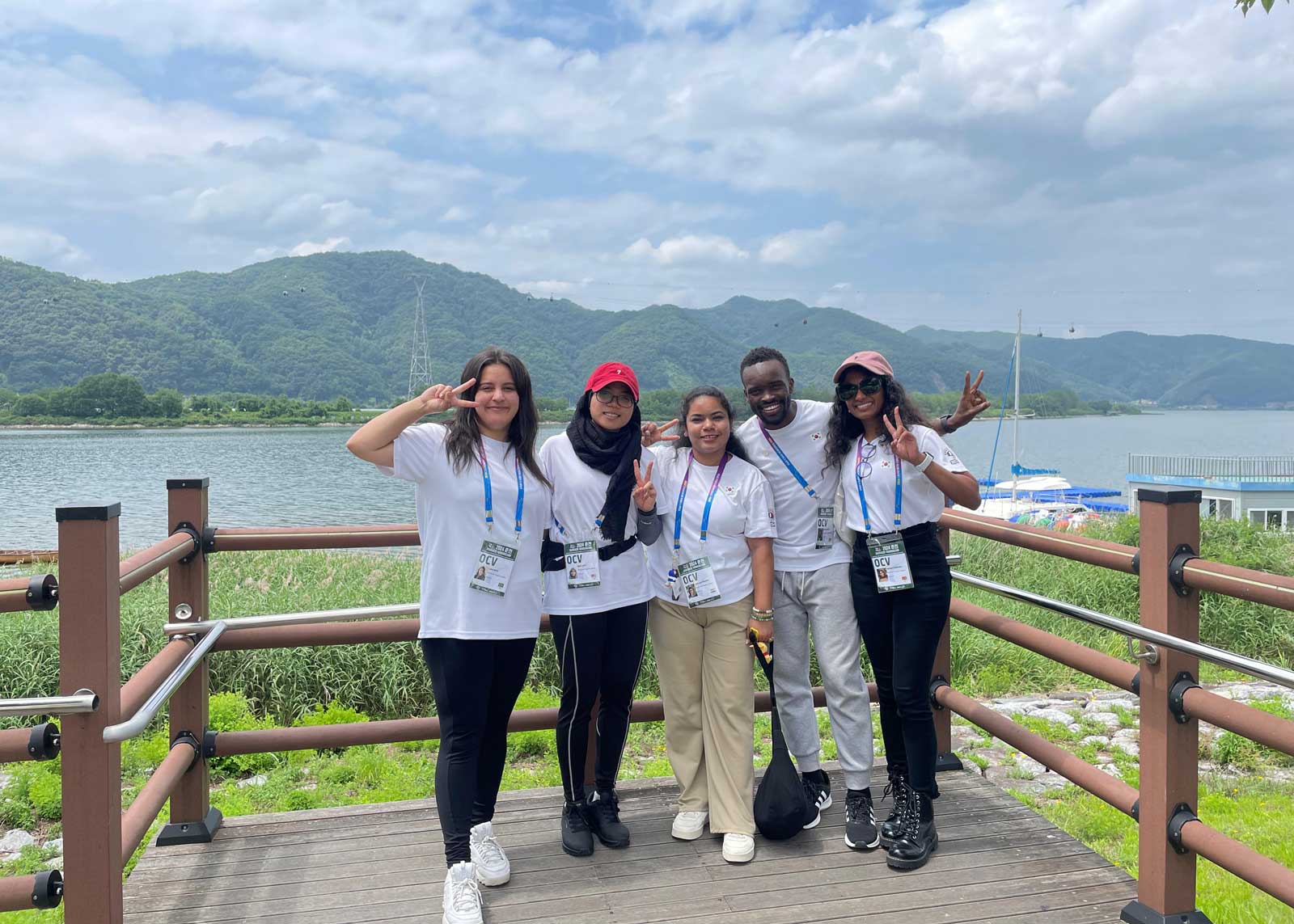
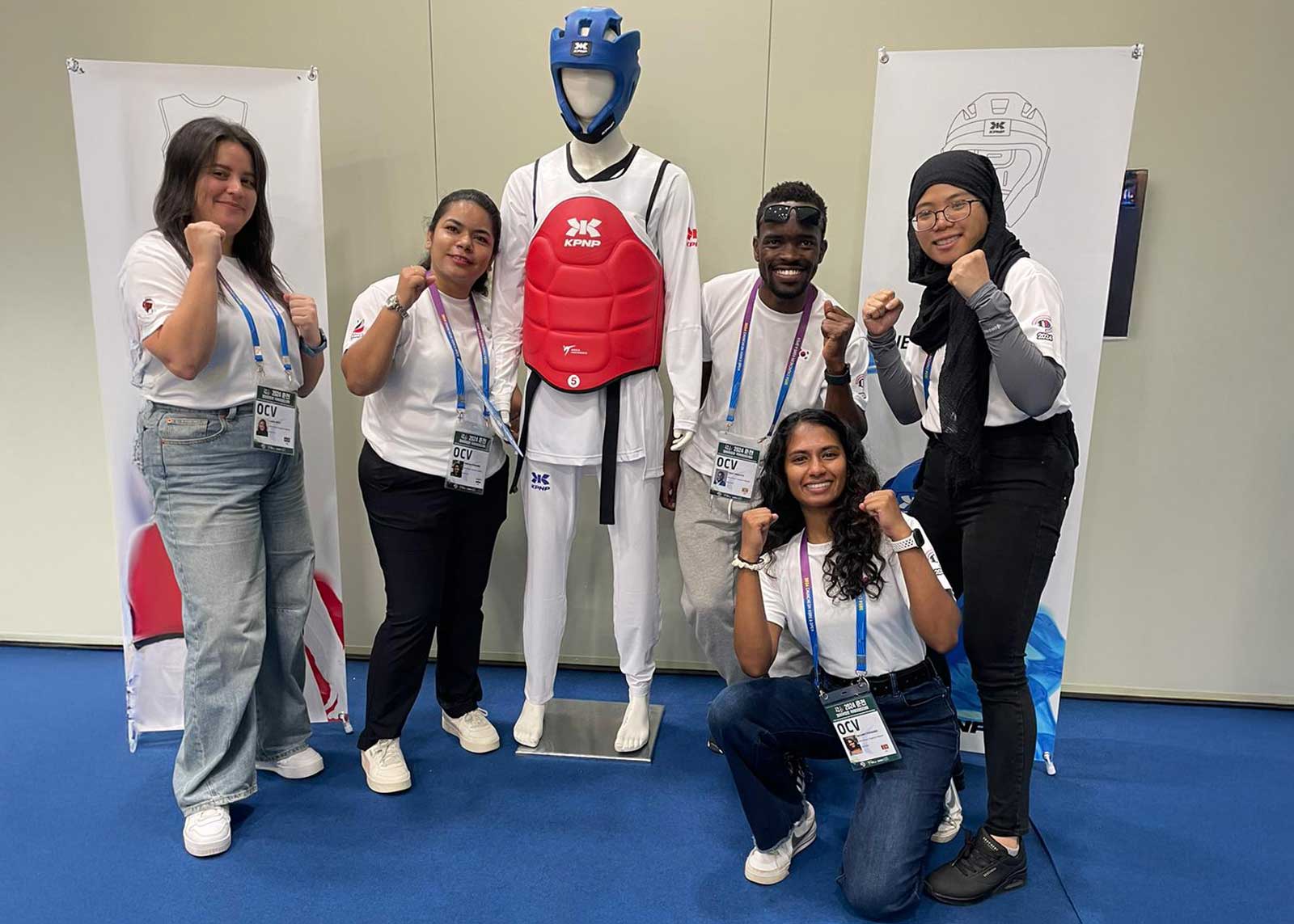
One of my most memorable experiences was our Team Project at the 2024 Chuncheon Korea Open International Taekwondo Championships. As volunteers, we weren’t just observers but actively involved in event operations while conducting research. I helped prepare athletes before matches, ensuring they were geared up and directed to their rings. My teammates liaised with officials, managed crowd flow, and handled logistics.


Being part of an international championship showed me the immense planning required for large-scale events. Concepts from class—event hosting, resource management, and strategic planning—came to life. Each day, our team leaders held meetings to review performance, troubleshoot issues, and refine workflows. The experience was demanding but invaluable.


One major challenge was convincing people to complete our surveys. Many were unwilling, and language barriers made it harder. Fortunately, our diverse team helped bridge communication gaps. We even used creative persuasion—offering candies as incentives (or, as we joked, friendly bribes).


Handling impatient or stubborn participants also required patience and tact. Some were uncooperative, but we learned that staying polite and professional always led to better outcomes.


This project reshaped my perspective on event organization. Though I had experience organizing interclub and school-level Taekwondo competitions, an international championship was on another level. The scale of planning, logistics, and coordination—from registrations to match scheduling and international team communication—was a lesson in teamwork, adaptability, and attention to detail.


One of the most rewarding parts was sharing my love for Taekwondo with my 11th batch friends. Seeing their appreciation for the sport made all the hard work worthwhile. This journey not only strengthened my event management skills but also deepened my passion for Taekwondo. The insights I gained will be invaluable for future events, and I look forward to taking on even bigger challenges with confidence.


By Maria Adibah Zaini(11th Batch)

Handling the Challenges as a Games Village Manager at the 13th African Games – ACCRA, 2023


Having lunch with another DTM Alumni from the 8th Batch Benson Chacha (Tanzania)


I am Kenneth Odeng Adade from Ghana and a Dream Together Masters (DTM) Alumni from the 7th Batch.


Prior to joining DTM, I worked as a Deputy Sports Editor at The Finder newspaper, a Press Officer for the National Olympic Committee of Ghana, and Deputy Secretary-General of the Ghana Weightlifting Federation.


After completing DTM, I returned to Ghana to work as an Editor for the Ghana News Agency, was appointed Head of Media Relations for the Armwrestling Federation of Africa, and continued my work with the Ghana Weightlifting Federation while also serving as an aide to the President of the Ghana Olympic Committee.


The Dream Together Masters program was a transformative experience that enhanced my understanding of large-scale sport event management. Its comprehensive curriculum, interactive learning approach, and networking opportunities equipped me with the skills and confidence to succeed in the industry.


In March 2024, Ghana hosted its first-ever African Games, and I was proud to be appointed to the Games Family Service and Village Accommodation Committee of the Local Organising Committee. Prof. Lisa Hindson’s module on Preparing and Operating Sport Events was invaluable, particularly in planning, collaboration, risk management, and leadership.


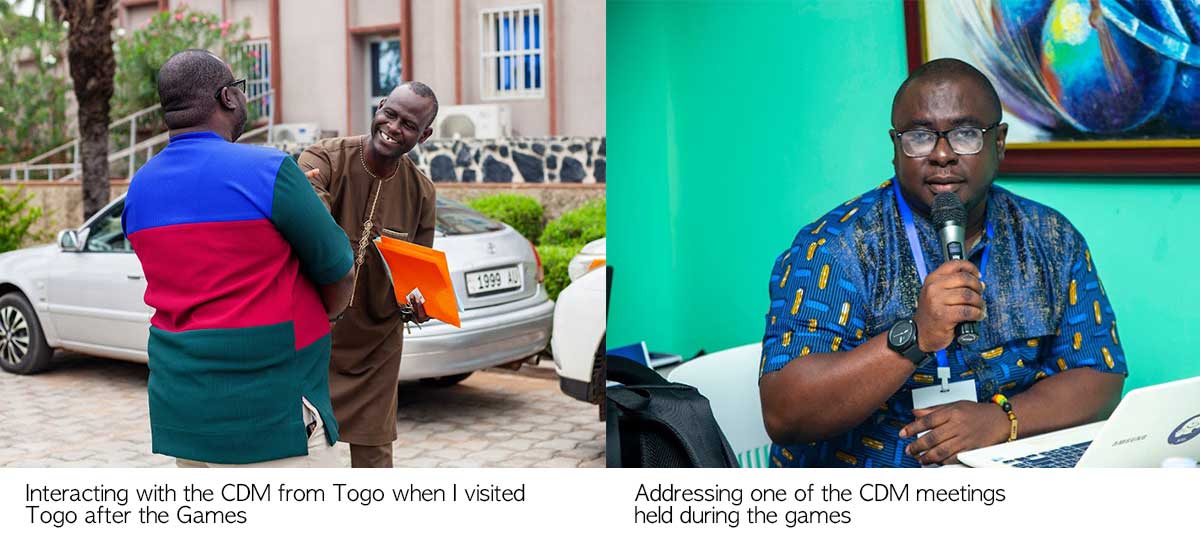
As a member of the Games Village Accommodation Committee, I was appointed as a manager by Chairman Ben Nunoo Mensah. My role involved overseeing daily operations, ensuring facilities and services were functional, managing athlete and official accommodations, and ensuring their safety. I also held Chef de Missions (CDMs) meetings each morning to address participating countries’ concerns.


Challenges included cultural and language barriers, infrastructure issues, logistics, and security concerns. A major challenge was handling the arrival of the Democratic Republic of Congo’s team at 3 a.m. They refused to move into their assigned rooms, requiring mediation and intervention from the African Union Sport Council. My risk management training from DTM helped me navigate such situations while fostering cultural competence.


Managing the Games Village was a transformative experience that contributed significantly to my professional growth. The positive feedback from athletes and officials was highly rewarding, especially given that my DTM thesis focused on Athlete Satisfaction in International Competitions.


This experience has shaped my approach to future sport event management. In August 2025, the Ghana Weightlifting Federation will host the Africa Youth and Juniors Weightlifting Championships, where I will play a key role in the Local Organising Committee. To ensure success, I aim to refine my risk management skills, improve communication, enhance cultural experiences, and emphasize teamwork and collaboration.


By Kenneth Odeng Adade(7th Batch)

Developing the football program in the central region of Palestine


  1. Please introduce yourself briefly.
    Taymaa Qatamesh, the 10th batch Palestinian student, a former national team footballer, and currently a coach and technical director.


  1. What did you do before DTM, and what did you pursue after the DTM Program?
    Before DTM, I worked as a football coach in an academy and participated in projects that focused on sport development in marginalized areas of Palestine. After completing the DTM program, I took on a consultancy role, overseeing football programs in the central region of Palestine.


  1. What are the most valuable skills or insights you gained during your time at DTM?
    DTM is like a treasure chest of scientific, practical, and life experiences—the more you explore it, the more knowledge you gain. I particularly valued learning about sport event management and negotiation strategies. These skills have significantly boosted my confidence in these areas.


  1. Please explain the football program in the central region of Palestine that you supervised.
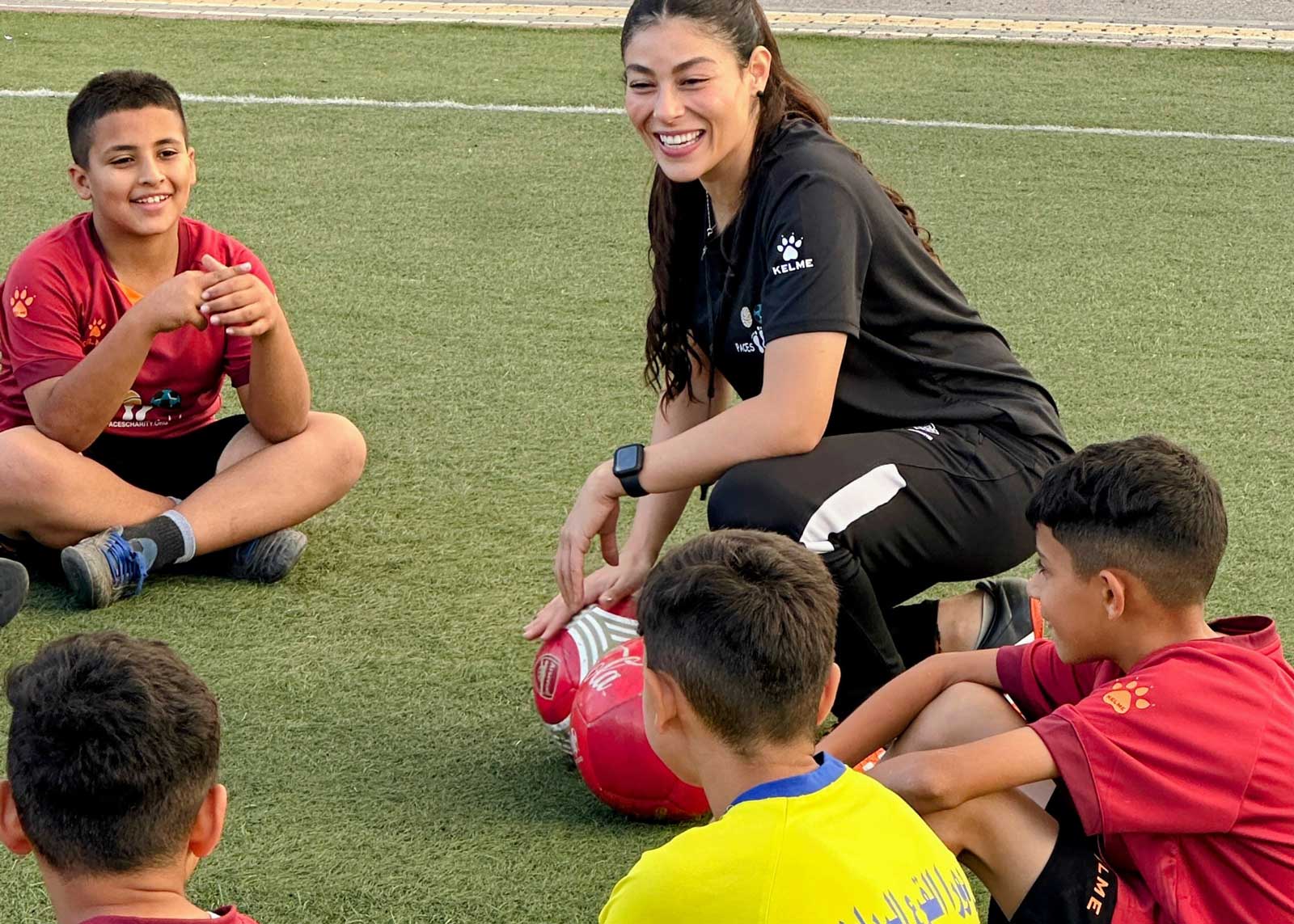
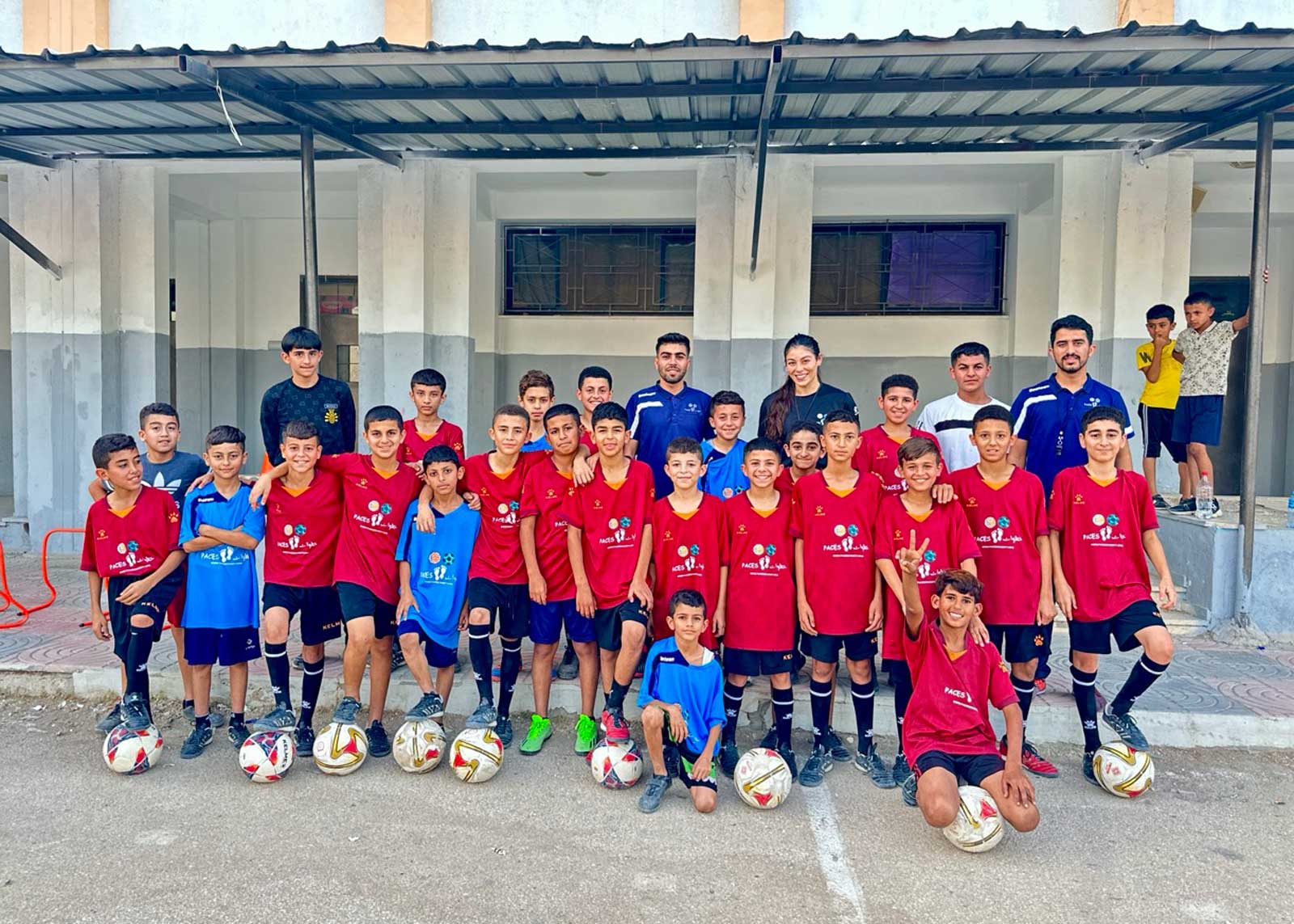
    I work with an NGO that runs programs in marginalized areas of Palestine, particularly in refugee camps and villages. As a consultant for the central region of the West Bank, I oversee programs in three cities: Ramallah, Jericho, and the Jerusalem district. I manage and supervise 20 clubs, which include 40 coaches from diverse backgrounds, experiences, and mentalities.


  1. Was there a specific experience, course, or project at DTM that directly influenced your approach to managing sports programs?
    Yes, the hands-on experiences at DTM had a major impact on my approach. Volunteering at the Asia Pacific Masters Games 2023 was particularly influential. As part of our team thesis, we conducted field research at the event, which allowed us to analyze how mega-sporting events are managed. This exposure gave me a deeper understanding of event logistics, stakeholder coordination, and program development, which I now apply to my work.


  1. Can you describe how you’ve applied the skills learned at DTM to the football program in the central region of Palestine?
    I have always been passionate about the intersection of history, development, and sports events and their role in national progress. My goal is to leverage global best practices to help develop sports programs in Palestine. While I know I cannot change the entire situation alone, I strive to enhance the program I work with, creating a positive impact on the ground. Marginalized areas need support, recognition, and hope for a better future, and I am committed to contributing to that vision.


  1. Were there any challenges in implementing these skills or ideas, and how did you address them?
    Organizing a sport event requires resources, and in these areas, securing the necessary tools is a major challenge. However, DTM taught us how to successfully execute events even with minimal resources while still achieving the desired goals.


  1. Can you share a specific success story or improvement that came about as a result of applying what you learned?
    One key lesson I learned at DTM was the importance of gender equality in sports. In a small Palestinian village with a population of about 2,000, the Israeli occupation severely restricts expansion and movement, as the village is located along a border road adjacent to occupied Palestinian cities we cannot access. Given these challenges, introducing a sports program to this community was a significant achievement. The village council not only welcomed our NGO’s initiative but also agreed to establish both a boys’ and a girls’ team under the PACES program. Seeing these children participate in sports despite the hardships they face is, to me, a true success story.


  1. How has your journey at DTM and your work on the football program contributed to your personal growth as a sports professional?
    DTM reshaped my understanding of professionalism in sports. The program emphasized the importance of integrity, strategic planning, and ethical decision-making—values I now apply to my work. Since returning to Palestine, I have been committed to upholding high professional standards, ensuring that the communities I serve receive quality sports programs and development opportunities.


  1. What are your goals for the program moving forward, and how do you plan to achieve them?
    Our 2025 plan is almost finalized, and we have made significant improvements to the program structure. My main goal for the upcoming year is to enhance the technical skills of both players and coaches, as their growth will directly contribute to the program’s overall success. To achieve this, we are implementing new training methodologies, increasing coaching education opportunities, and expanding community engagement initiatives.


By DTM Office

First Steps to Strengthen DTM’s Alumni Networking in Korea!


DTM, Dream Together Master!


A meaningful course that brings together people from various countries and sports to study various fields related to sports and build a valuable network!


Hello, I am Han Jae-woong, an 8th DTM graduate.


Before completing the program, I worked for the Korea Women’s Football Association, and now I am in charge of international sport marketing at Olive Creative, and I am also the head of the ODA project team at the Korea Football Association Love Sharing Foundation.


I have gained a lot from the DTM program, not only in terms of academic growth, but also in terms of building a wide network of people from different countries and sports fields. However, I also have some regrets. Despite the fact that DTM is a Korean program, I felt that there was not enough interaction between alumni in Korea.


While DTM alumni all over the world are actively interacting with each other, there was a lack of close networking among Korean alumni for various reasons, which was very disappointing to me as one of the DTM alumni.


However, on Saturday, December 7, 2024, a meaningful event was finally held to resolve this disappointment. This was the DTM Korea Alumni Networking Day.


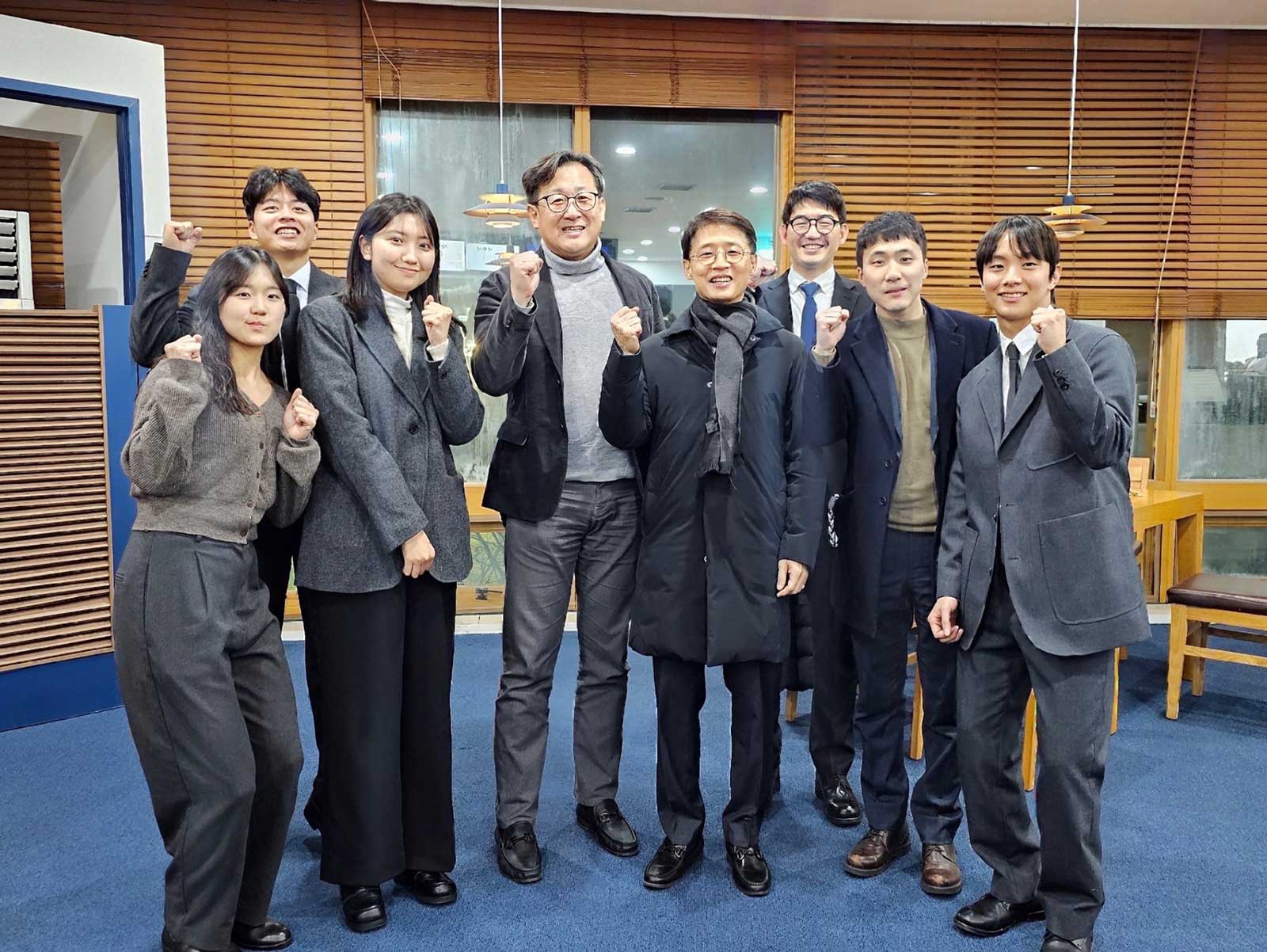
Organized by the DTM Office, the event was a meaningful gathering of Korean alumni from the 1st batch of DTM to the 12th batch currently enrolled in DTM, including Prof. Joonho Kang, Prof. Yongho Lee, and Ms. Sohee Lim of the Korea Sports Promotion Foundation.


Although not all alumni were able to attend, 22 out of 34 Korean alumni took time out of their busy schedules to attend the event, which was a valuable opportunity to strengthen bonds and make meaningful networking connections.
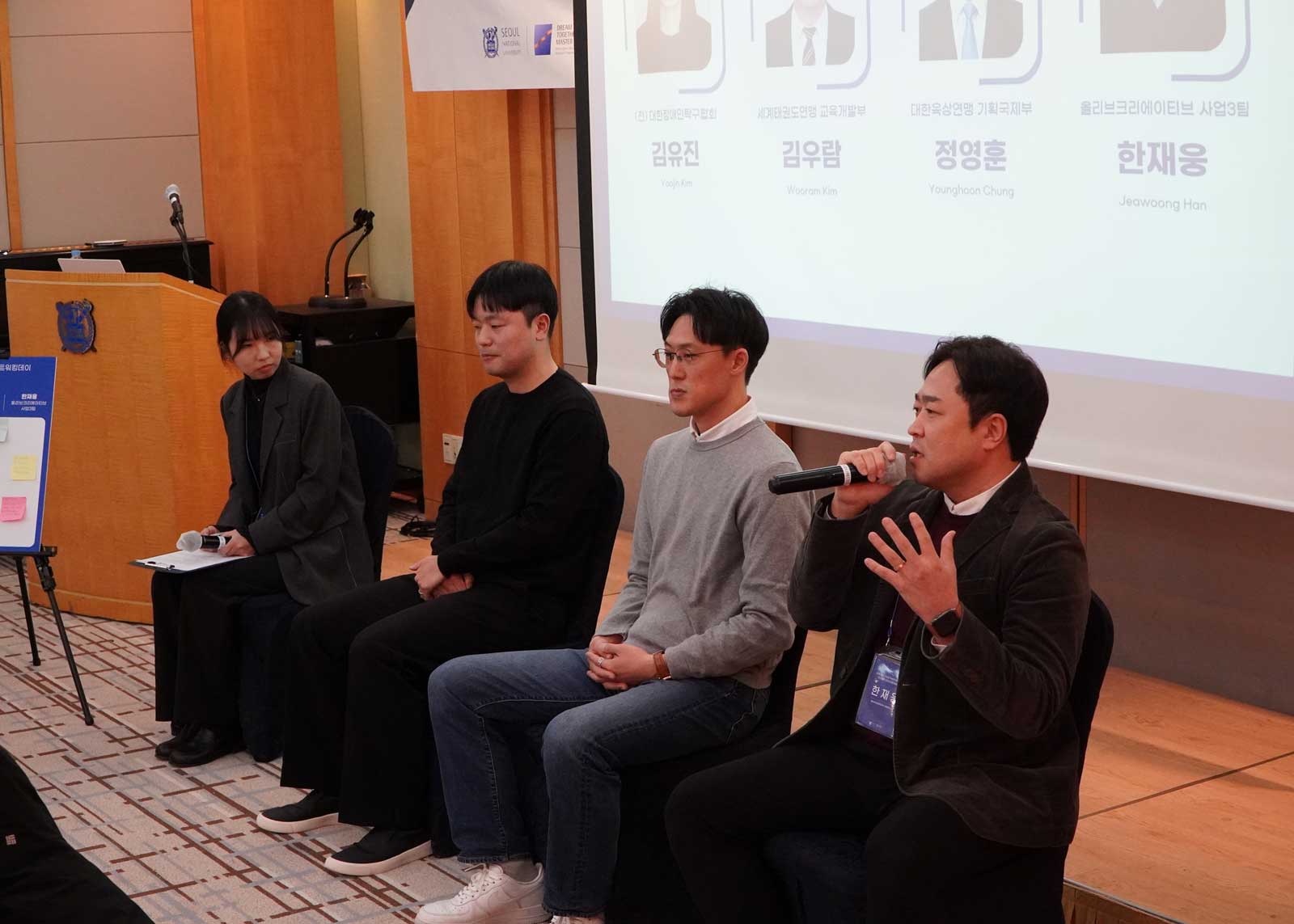


In particular, the job-specific talk show, in which I participated as one of the panelists, was a valuable opportunity for alumni to share their questions and concerns in a formal setting and interact directly with professors. In addition, the current students(12th batch) also had a chance to ask a variety of questions that provided practical help, making the event even more meaningful.


Of course, this event is not the end of DTM alumni unity in Korea. It is just the beginning.


I am confident that if DTM alumni in Korea who are active in various fields can work closely with each other and build an active network, they will be able to create powerful synergies and contribute to strengthening DTM’s status at home and abroad.


In order for this event not to be a one-time event, we need continued interest and active participation of domestic alumni. We hope that the DTM community in Korea will grow stronger through the formation of an alumni association and regular networking activities.


Thank you.


By Jae-woong Han(8th Batch)
Dream Together Master Global Sport Management Graduate Program Seoul National University
Phone : +82-2-880-2984,5 | Fax : +82-2-888-2985 | Email : snugsmadmission@gmail.com
Bldg.153 #316 Seoul National University 1 Gwanak-ro, Gwanak-gu, Seoul, Republic of Korea 08826

© 2025 snu DTM All rights reserved.